
w789club.co Post-Match News: Managers Reaction to European Results
Fans and analysts alike face a consistent hurdle after European fixtures conclude: sifting through fragmented press conferences, social media soundbites, and algorithm-driven highlight reels to find actionable tactical insight. The noise makes it difficult to distinguish between routine coaching rhetoric and genuine strategic shifts, while the broader picture—how a single result recalibrates qualification thresholds, domestic momentum, and squad rotation policies—often gets lost in real-time commentary. Understanding post-match managerial feedback requires separating emotional reactions from structural adjustments, then mapping those adjustments directly to current standings and upcoming scheduling demands.
Schedule Snapshot and Immediate Match Outcomes
The most recent continental fixtures have reinforced a pattern where marginally tighter defensive structures and transitional efficiency dictate outcomes rather than outright possession dominance. Coaches have increasingly prioritized compact mid-blocks during away legs, accepting lower territorial control in exchange for rapid verticality. This approach has produced several narrow victories and late equalizers, emphasizing that minute-by-minute game management now carries more weight than early pressure campaigns. When evaluating which teams advanced, secured top seeding, or faced playoff uncertainty, the decisive factor consistently traces back to set-piece conversion rates, error minimization under pressing triggers, and substitution timing around the sixtieth minute.
From a scheduling perspective, congested calendars force managers to weigh risk against reward. A cautious tactical setup that preserves squad freshness often yields a draw abroad, yet those same teams may need to shift to expansive models for home fixtures. The result matrix today reflects this balancing act, with several clubs carrying mixed records into the next window. Tracking which formations survived high-intensity travel blocks and which collapsed under cumulative fatigue provides the clearest signal for predicting short-term performance trajectories.
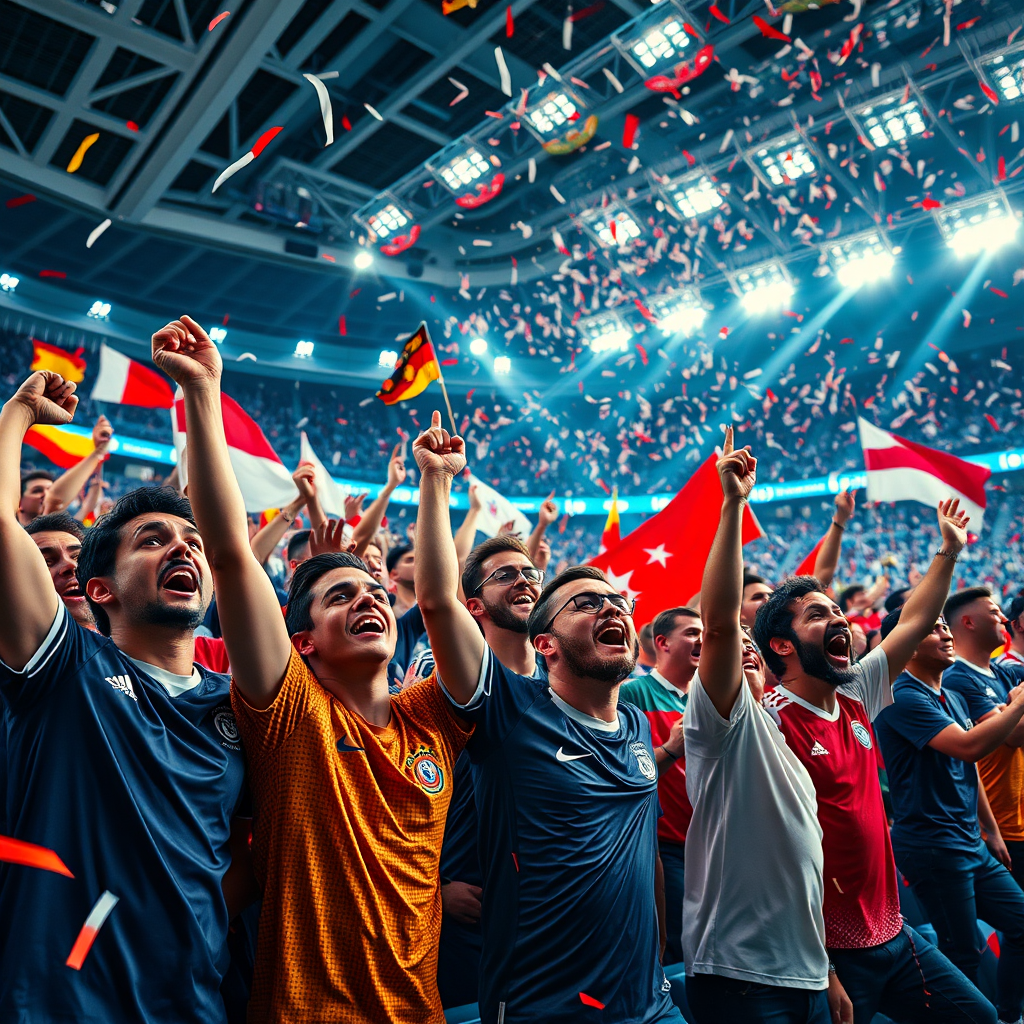
 Hình minh hoạ: 789club
Managerial Framing and Tactical Signals
Post-match press interactions rarely reveal complete game plans, but recurring phrases and emphasized weaknesses frequently indicate where a manager intends to adjust training loads and personnel deployment. When coaches highlight defensive line synchronization or critique ball-recovery speed, the underlying message usually points to upcoming fixture congestion requiring deeper squad integration. Conversely, praise for wing-back discipline or midfield shielding often signals confidence in maintaining a core unit through international breaks or derby overlaps. These rhetorical cues matter because they precede tangible lineup changes and tactical periodization shifts.
The reaction landscape also reveals how leaders manage expectations after unexpected setbacks. Managers who openly acknowledge systemic issues rather than attributing losses to officiating or bad luck tend to implement quicker corrective measures. Those tendencies correlate strongly with bounce-back performances in subsequent windows, as transparent fault diagnosis accelerates drilling repetitions and clarifies role boundaries for peripheral squad members. Conversely, defensive press narratives often mask deeper structural concerns that resurface when facing higher-tier opposition.

Standings Shifts and Performance Metrics
Point accumulation alone does not explain current table movements; the distribution of expected goals, counter-attack opportunities, and aerial duel success rates determines whether a position reflects sustainable form or temporary variance. Several sides have improved their qualification outlook by capitalizing on lower-scoring environments, while others rely on superior goal differentials to maintain separation from chasing packs. The mathematical reality of continental formats means that a single missed opportunity can cascade into multi-week scheduling pressures, forcing coaches to rotate aggressively or absorb additional rest days.
| Form Indicator | Typical Manager Focus | Standings Implication |
|---|---|---|
| High Defensive Line Integrity | Pressing coordination & recovery runs | Secures top-two seeding, reduces away-leg exposure |
| Limited Shot Quality Allowed | Compact shape & transition pacing | Preserves points in knockout qualifiers |
| Variable Set-Piece Conversion | Target practice & marking assignments | Tightens gap in three-point spreads |
Reading these indicators requires cross-referencing managerial quotes with observable field behavior. If a coach repeatedly discusses midfield triad spacing, expect wider full-back rotations and adjusted passing lanes in the next fixture. Tracking those adjustments allows observers to anticipate table movement before points officially update. For platforms that aggregate post-match analysis, including resources available at 789club, filtering commentary through tactical consistency rather than headline volume produces far more reliable predictive models.

Upcoming Fixture Demands and Preparation Windows
Travel logistics and tournament pacing create predictable stress points that managers prepare for weeks in advance. Double-chip scheduling often forces earlier substitution windows, demanding that bench depth match starter intensity levels within five minutes of entry. Clubs with narrower rosters must carefully monitor load metrics to avoid soft-tissue vulnerabilities, while larger squads benefit from structured micro-cycles that isolate positional drilling without accumulating systemic fatigue.
Coaches typically address these constraints by varying training density rather than reducing total volume. High-intensity possession segments replace extended endurance work, and video breakdowns focus on recognizing spatial compression rather than rehearsing dead-ball routines. This methodology directly influences how managers phrase post-match evaluations, since preparedness conversations center on adaptability rather than perfection. Observing which units receive expanded roles after congested weeks reveals the hierarchy behind selection decisions and highlights potential lineup volatility ahead of weekend broadcasts.
- Verify fixture sequencing through official league releases before adjusting projection models.
- Compare resting players against injury timelines to assess likely rotational patterns.
- Monitor press conference emphasis shifts as primary indicators of formation tweaks.

Practical Recommendations by Reader Group
Different audience segments require distinct approaches when interpreting post-match coverage and planning engagement with upcoming schedules. Casual viewers benefit from focusing on narrative continuity: identifying which tactical identities survive consecutive rounds and which systems fracture under physical demand. Fantasy participants and analytics trackers should prioritize availability matrices, tracking training reports and travel distances to forecast workload reductions or emergency call-ups. Serious strategists must map managerial rhetoric against historical adjustment curves, using delayed substitution trends and press-zone compactness as leading indicators for future scorelines. Betting and prediction communities should temper enthusiasm around volatile markets by weighting set-piece efficiency and goalkeeper distribution accuracy over early-game momentum, which rarely sustains through ninety minutes of continental competition.
Frequently Asked Questions
How accurate are post-match manager quotes for predicting the next fixture?
Reactions provide directional cues rather than guaranteed lineups. Consistency in terminology across multiple conferences correlates strongly with implementation, but travel fatigue and sudden injury reports often override stated intentions.
Which statistical categories best reflect standings stability in European competitions?
Expected goals differential, shot suppression outside the penalty area, and successful defensive recoveries consistently outperform possession percentages when evaluating long-term table positioning.
Why do some teams struggle immediately after securing qualification?
Reduced competitive urgency alters training tempo, and accumulated fatigue surfaces when replacement players lack rhythm. Managers mitigate this by simulating high-pressure drills and isolating core units during pre-match blocks.
Where can reliable post-match tactical breakdowns be accessed without promotional noise?
Official federation press portals, accredited sports data aggregators, and independently verified coaching analysis channels typically filter marketing content from substantive footage review.