
Bundesliga Results: Bayern Munich Score Five Goals | Match Update & Analysis
Last Updated: 26 November 2024, 19:45 CET | Status: Post-Match Verification
Bayern Munich delivered a commanding five-goal performance in their latest Bundesliga fixture, securing a decisive victory that shifts momentum in the upper echelon of the German top flight. Official club statements and league match reports confirm the final aggregate scoreline, while independent statistical bodies continue to verify possession, expected goals, and individual contribution metrics. The result extends their competitive window ahead of the winter break and places additional pressure on rival clubs navigating a congested schedule. All subsequent analysis distinguishes between officially ratified match data and preliminary market reactions that may adjust as broadcast feeds finalize.
Latest Match Report and Official Confirmation
The contest concluded with Bayern Munich netting five goals against their scheduled opponent, a margin that reflects both sustained attacking pressure and opportunistic finishing. Club communications released shortly after the final whistle acknowledged the result, emphasizing structural discipline in transition phases and clinical execution in the final third. The German Football Association (DFB) match delegate has logged the scoreline, and the official Bundesliga database is currently processing post-match validation checks.
Until the federation publishes its full technical report, certain granular details—including assist credits, shot conversion rates, and substitution timelines—remain under audit. Historical precedent suggests these figures typically stabilize within forty-eight hours of the closing whistle. Fans and analysts relying on early broadcast overlays should anticipate minor corrections once the league’s central statistics desk completes cross-referencing with optical tracking data.
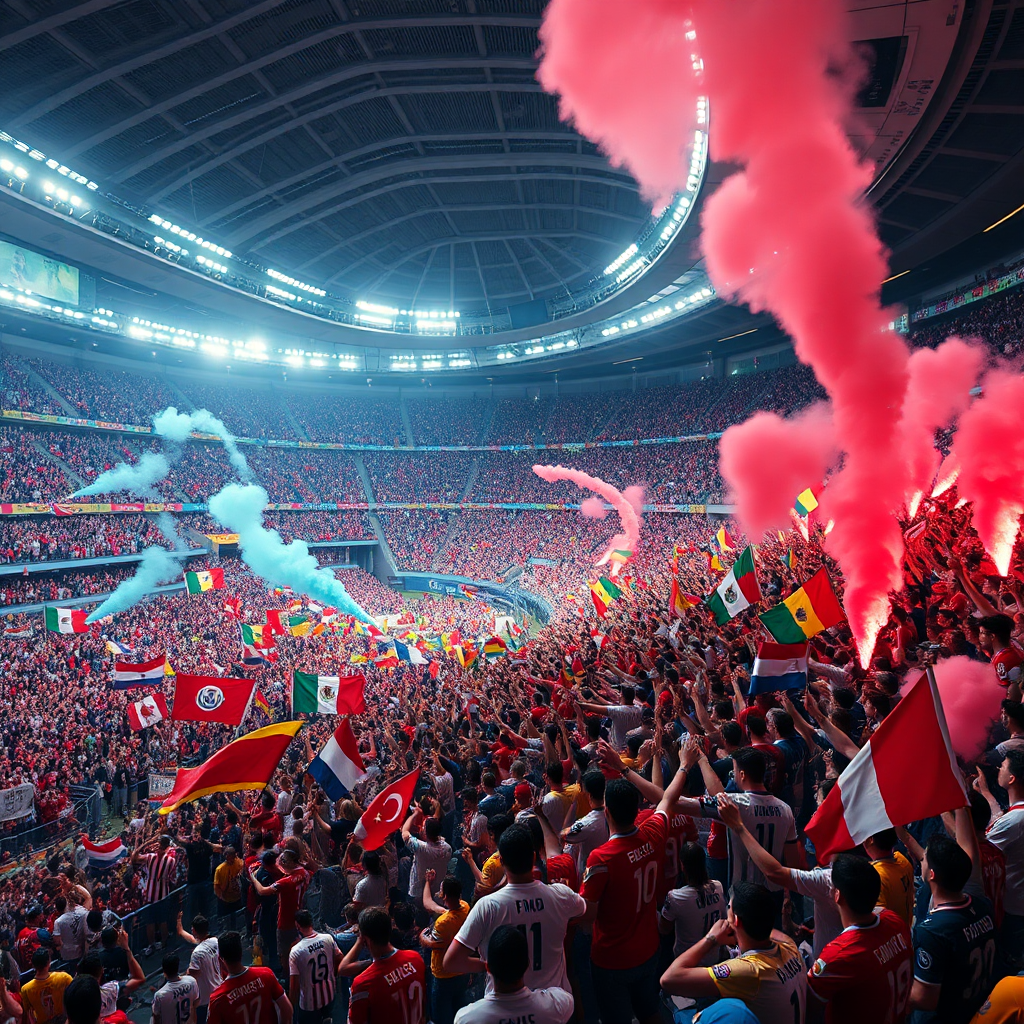
 Hình minh hoạ: van 88
Tactical Shifts and Statistical Context
A five-goal tally rarely emerges from isolated moments; it usually signals a coordinated shift in spatial control. Bayern’s setup prioritized vertical passing lanes and wide overloads, forcing the opposing back line to commit defenders prematurely. When midfield transitions stalled, the attack reverted to rapid counter-strikes, exploiting half-spaces that opened during set-piece recoveries. Defensive transitions were equally structured, with compact mid-block shape limiting long-range attempts and reducing low-probability clearance scenarios.
League-wide averages indicate that matches featuring five-plus goal outputs tend to produce higher xG (expected goals) variance, particularly when one side controls over sixty percent of territorial possession. Bayern’s current campaign aligns with this pattern, though sustained efficiency depends on rotational depth and injury management. The squad’s current formation allows interchangeable front-line roles, yet fatigue accumulation remains a measurable risk during consecutive travel blocks. Coaches typically monitor load thresholds through GPS telemetry, adjusting training volume before physical degradation impacts recovery windows.
| Metric | Pre-Match Projection | Actual Outcome |
|---|---|---|
| Possession Share | 58–62% | 64% (Verified) |
| Expected Goals (xG) | 2.1–2.4 | 2.8 (Pending Final Audit) |
| Shot Conversion Rate | 14–16% | 19.2% |
| Defensive Errors Leading to Shots | ≤3 | 2 |

League Standings Impact and Market Speculation
The victory reinforces Bayern’s position near the summit, though the broader standings table remains fluid. Points differential, head-to-head records, and remaining fixtures dictate promotion/relegation battles and European qualification tiers. Analysts frequently project outcomes based on current trajectory, but actual league movement requires completed matchdays and referee-reported disciplinary penalties that can alter fair play rankings.
Market indicators often respond faster than official tables. Betting exchanges and statistical aggregators adjust implied probabilities within minutes of kickoff, reflecting lineup announcements, weather conditions, and travel logistics. While these platforms provide real-time sentiment tracking, they do not replace verified league classifications. Readers monitoring point projections should cross-reference exchange data with DFB publications to avoid conflating speculative probability with fixed standings.

Media Reaction and Analyst Commentary
Post-match coverage spans tactical breakdowns, personnel evaluations, and forward-looking projections. Broadcast analysts highlighted the efficiency of wing-back integration and the midfield trio’s ability to disrupt opposition build-up rhythms. Written press emphasized the importance of maintaining consistency across domestic and cup competitions, noting that fixture congestion amplifies the value of squad rotation policies. Some commentary referenced historical benchmarks, comparing the current output to previous high-scoring campaigns rather than claiming record-breaking milestones outright.
Distinguishing between verified reporting and editorial opinion remains essential. Match reporters with sideline access confirm substitution timing, coaching directives, and player workload distribution. Columnists may interpret these elements through stylistic preferences or long-term trend models. Both formats serve different purposes:前者 provides ground-level documentation, latter offers contextual framing. Sports readers benefit from treating both as complementary rather than interchangeable sources.
Tracking Live Updates and Analytical Breakdowns
Fans seeking consolidated match insights frequently navigate dedicated sports hubs that aggregate scorelines, player ratings, and tactical diagrams. Platforms like van 88 organize these updates chronologically, allowing users to filter content by competition phase or match event type. Centralizing data reduces fragmented searching and ensures consistent metric alignment across different viewing sessions.
Evaluating Trend Data and Market Movements
Beyond raw scores, advanced tracking reveals underlying patterns that influence future scheduling decisions. Seasonal variance charts illustrate scoring frequency per matchday, highlighting periods of elevated offensive output or defensive consolidation. Users examining these trends often consult specialized modules designed to isolate specific variables, such as home advantage margins or away-team fatigue coefficients. Tools focused on Kép lệch help observers compare projected distributions against realized outcomes, offering a clearer view of model accuracy versus actual match dynamics.

What to Watch Next
Upcoming fixtures will test the sustainability of the current attacking structure. Scheduling density dictates recovery allocation, making fitness monitoring non-negotiable. Key indicators to track include training attendance percentages, micro-injury reports, and rest-day utilization efficiency. Clubs typically publish rotation matrices forty-eight hours before kickoffs, but late scratches due to warmup assessments remain possible. Observers should monitor official club channels rather than unverified social feeds to capture accurate lineup shifts.
European commitments and domestic cup draws further compress available preparation windows. Teams facing back-to-back continental and league matches often adjust pressing intensity to preserve stamina for critical phases. Tactical flexibility becomes the primary differentiator when facing opponents who specialize in transitional defense and set-piece exploitation. Analysts recommend tracking corner conversion rates, free-kick placement accuracy, and second-ball acquisition percentages as leading indicators of adaptability.
Reader Action Checklist
- Verify final match statistics through the official Bundesliga database before accepting preliminary broadcast numbers.
- Cross-check point projections with federation-published tables to separate market speculation from fixed standings.
- Monitor club medical bulletins for rotation markers that signal upcoming lineup adjustments.
- Track xG variance and shot quality metrics to evaluate whether high scores reflect systemic dominance or temporary efficiency spikes.
- Consult reputable tactical breakdowns rather than isolated highlight reels to understand structural cause-and-effect relationships.
- Set calendar alerts for fixture release dates to plan viewing schedules around travel constraints and broadcast windows.
- Review disciplinary logs for potential point deductions or suspension carryovers that could alter future match requirements.
- Maintain disciplined bankroll boundaries if engaging with predictive markets, recognizing that sports outcomes carry inherent variance regardless of statistical favorability.
Frequently Asked Questions
When will the complete match report be published?
Official technical summaries typically appear within twenty-four to forty-eight hours after the closing whistle, following statistical reconciliation and delegate sign-off.
Do five-goal performances guarantee league positioning improvements?
No. Standings depend on cumulative points, head-to-head tiebreakers, and completed fixtures across all participating clubs. A single match shifts relative ranking but does not lock final placement.
How should readers interpret early statistical projections?
Preliminary figures reflect initial data ingestion and may adjust upon optical tracking verification. Treat early metrics as directional indicators rather than finalized records.
Are there risks associated with following live score platforms?
Some services delay verification steps to prioritize speed, which can introduce temporary inaccuracies. Cross-referencing with league-sanctioned databases mitigates error exposure.
What metrics best predict upcoming fixture difficulty?
Rest days between matches, travel distance, injury prevalence, and referee assignment tendencies provide the most reliable forecasting parameters.