Category: News

  • Tin nóng El Clasico: Mbappe sẵn sàng cho trận El Clasico đầu tiên ao88z.net

    Tin nóng El Clasico: Mbappe sẵn sàng cho trận El Clasico đầu tiên ao88z.net

    Nhiều người hâm mộ bóng đá đang đối mặt với một tình huống khá quen thuộc nhưng gây mệt mỏi: cố gắng theo dõi sát sao các tin tức, lịch trình và phân tích chuyên sâu về trận đấu lớn, nhưng lại rơi vào biển thông tin hỗn độn, nguồn không rõ ràng và tốc độ cập nhật không đồng bộ. Khi một nhân tố chuyển nhượng trọng tâm như Kylian Mbappé chuẩn bị ra sân trong môi trường El Clásico, nhu cầu tiếp cận nội dung chất lượng tăng vọt, kéo theo nhiều nền tảng số đẩy mạnh luồng dữ liệu, đôi khi làm giảm trải nghiệm người dùng thực tế. Vấn đề không nằm ở việc thiếu thông tin, mà nằm ở khả năng lọc nhiễu, duy trì kết nối ổn định và đảm bảo quyền riêng tư dữ liệu khi tham gia các hoạt động xem hoặc thảo luận trực tuyến. Người đọc cần một lộ trình rõ ràng để phân biệt kênh nào đáp ứng được tiêu chuẩn vận hành hằng ngày thay vì chỉ chạy theo phong trào.

    Bối cảnh và kỳ vọng khi theo dõi sự kiện thể thao lớn

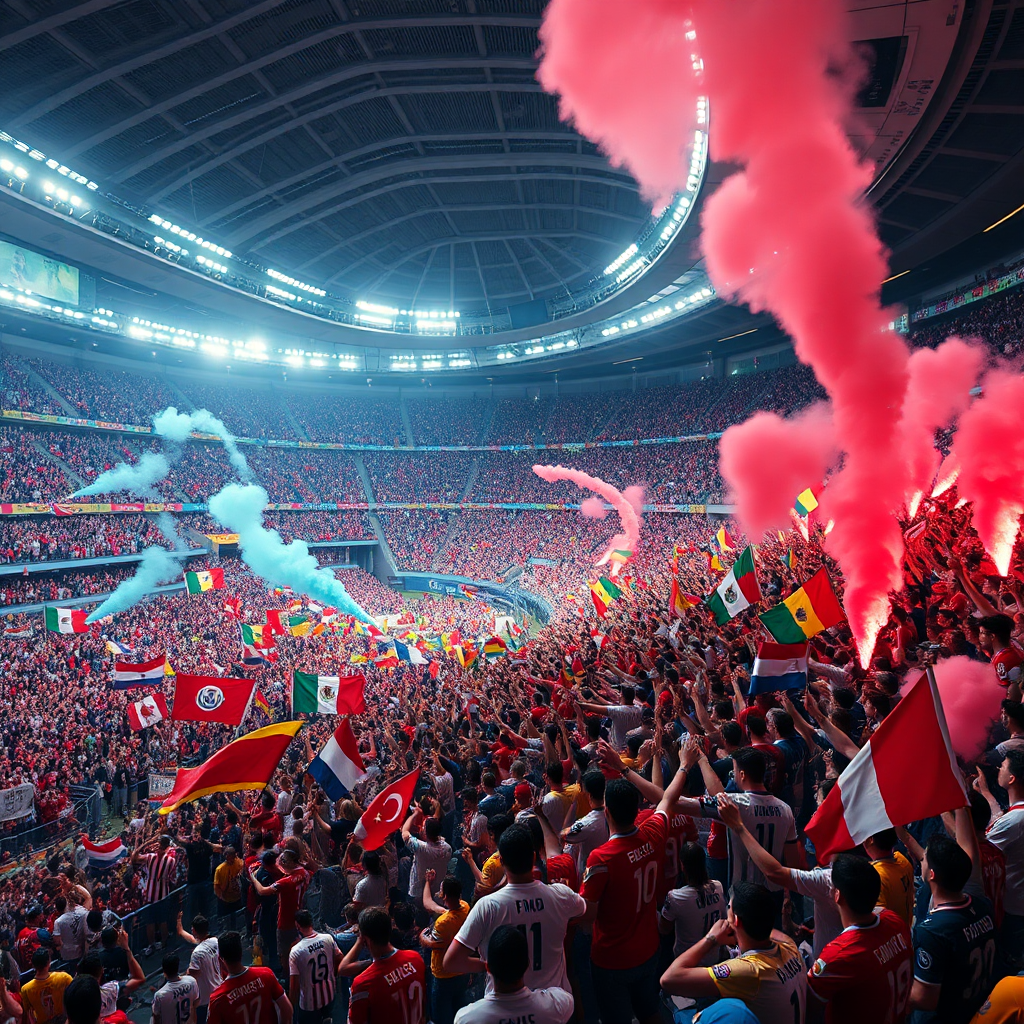
    Sự kiện El Clásico luôn là cột mốc được cộng đồng người hâm mộ ghi chú kỹ lưỡng nhờ sức hút chiến thuật, chiều dài lịch sử và tần suất tranh tài cao giữa hai câu lạc bộ hàng đầu Tây Ban Nha. Việc tiền đạo trẻ Kylian Mbappé chuẩn bị góp mặt trong khuôn khổ này tạo thêm một lớp ngữ cảnh mới, khi những diễn biến trên sân cỏ được đi kèm với áp lực truyền thông toàn cầu và nhu cầu theo dõi đa nền tảng. Thực tế cho thấy, không phải mọi nguồn tin đều cung cấp đầy đủ dữ liệu chiến thuật hoặc hình ảnh chất lượng cao ngay từ phút đầu. Người dùng thường xuyên gặp phải tình trạng gián đoạn, bản đồ giao diện phức tạp hoặc thông báo khuyến mãi che lấp nội dung chính. Hiểu rõ áp lực này giúp người đọc đặt ra tiêu chí thực tế thay vì kỳ vọng phi现实 về sự hoàn hảo tức thì. Trải nghiệm tốt nhất xuất phát từ việc chọn nơi cung cấp thông tin trung tâm, duy trì cấu trúc dễ đọc và ưu tiên tính ổn định trong giờ cao điểm.

    ao88 ao88Hình minh hoạ: ao88

    Tổng quan nhanh về hệ sinh thái thông tin bóng đá hiện nay

    Hệ sinh thái tiếp cận nội dung thể thao trực tuyến đã chuyển dịch từ mô hình một chiều sang kiến trúc tương tác đa tầng. Người dùng không chỉ xem kết quả mà còn muốn so sánh thống kê, đọc nhận định chuyên gia, tham gia bình luận trực tiếp và chia sẻ khoảnh khắc highlight. Để phục vụ chuỗi nhu cầu đó, các nền tảng số cần hội tụ năm yếu tố cốt lõi: minh bạch nguồn tin, tốc độ phản hồi, mức độ tiện dụng, bảo mật dữ liệu và kênh hỗ trợ khả thi. Khi đánh giá theo góc độ đời sống hằng ngày, mục tiêu không phải là tìm ra sản phẩm lý tưởng hoàn toàn, mà là xác định công cụ nào giúp tiết kiệm thời gian, giảm căng thẳng thị giác và duy trì sự tập trung vào nội dung chính. Một trang web hoặc ứng dụng đáng tin cậy sẽ hiển thị rõ phần giới thiệu nội dung, tránh chèn quảng cáo giật gân, giữ khoảng nghỉ hợp lý giữa các khối thông tin và cho phép người dùng tắt tính năng gợi ý không cần thiết. Sự cân bằng này chính là chìa khóa giúp duy trì hứng thú theo dõi suốt vòng tròn giải đấu.

    ao88 ao88

    Hành trình tiếp cận thông tin và chất lượng trải nghiệm

    Tốc độ cập nhật và độ trễ truyền tải

    Giao thông mạng lưới chịu áp lực rất lớn vào khung giờ vàng, đặc biệt khi có sự kiện trọng điểm. Nền tảng chất lượng cao thường sử dụng hệ thống CDN phân phối nội dung đa địa điểm, giúp tải hình ảnh, video tóm tắt và bản cập nhật tỉ số diễn ra mượt mà hơn. Người dùng có thể tự nhận diện qua phản hồi tức thì khi nhấn nút tải lại hoặc chuyển tab. Nếu trang web vẫn hiển thị màn hình loading dài, gây trượt trang vô thức hoặc làm mờ nội dung chính sau vài giây, đó là dấu hiệu hạ tầng chưa tối ưu. Ngược lại, khi tốc độ phản hồi đạt chuẩn, người đọc có thể theo dõi dòng chảy thông tin liên tục mà không phải lo lắng về mất đoạn quan trọng. Độ trễ thấp cũng hỗ trợ tốt cho việc thảo luận nhóm hoặc gửi nhận định kịp thời, nhờ đó không bị lệch nhịp với cộng đồng người cùng quan tâm.

    Mức độ tiện dụng trên thiết bị di động và máy tính

    Thói quen tiếp cận nội dung thể thao hiện nay split giữa nhiều thiết bị. Giao diện điện thoại cần bố cục dọc gọn gàng, nút bấm đủ kích thước để thao tác chính xác, menu phụ ẩn linh hoạt và chế độ dark mode hỗ trợ xem trong môi trường ánh sáng yếu. Trên máy tính, người dùng thường đòi hỏi khả năng mở nhiều tab song song, so sánh dữ liệu dạng bảng và tùy chỉnh kích thước font chữ. Một nền tảng đạt tiêu chuẩn trải nghiệm sẽ đồng bộ hóa tiến trình đọc, giữ bookmark an toàn và cho phép chuyển đổi thiết bị mà không bị lỗi hiển thị. Ngoài ra, chức năng tải về bản offline cho bài phân tích chi tiết hoặc lịch thi đấu giúp người dùng chủ động ngay cả khi sóng di động chập chờn. Tiện dụng thực sự nằm ở khả năng thích nghi linh hoạt thay vì chỉ tập trung vào màu sắc bắt mắt.

    ao88 ao88

    Tiêu chuẩn minh bạch, bảo mật và đường dây hỗ trợ

    Minh bạch thể hiện qua việc nêu rõ nguồn trích dẫn, phân biệt rõ ràng giữa tin tức chính thức và nhận định cá nhân, đồng thời không sử dụng ngôn từ kích động để ép người dùng nhấn liên kết. Bảo mật dữ liệu bao gồm việc mã hóa kết nối HTTPS, hạn chế thu thập thông tin cá nhân không cần thiết, cung cấp chính sách quyền riêng tư dễ đọc và cho phép người dùng xóa lịch sử truy cập hoặc hủy đăng ký thông báo khi muốn. Hỗ trợ kỹ thuật cần có mặt dù không liên tục, phản hồi trong khung giờ hoạt động hợp lý và cung cấp kịch bản xử lý lỗi cơ bản như hướng dẫn reset mật khẩu, báo cáo nội dung sai lệch hoặc khiếu nại về trải nghiệm thanh toán nếu có liên quan. Khi kết hợp ba trụ cột này, người dùng cảm thấy an tâm hơn khi duyệt lâu dài. Đối với những ai quan tâm đến nền tảng có độ phủ rộng và quy trình vận hành bài bản, có thể tham khảo thêm thông tin tại ao88 để đối chiếu các tiêu chuẩn dịch vụ thường được áp dụng trong môi trường số hóa nội dung thể thao.

    ao88 ao88

    Rủi ro tiềm ẩn và phương pháp tự xác thực

    Dù công nghệ phát triển mạnh, rủi ro vẫn tồn tại dưới dạng thông tin sai lệch, liên kết giả mạo hoặc giao diện bắt chước thương hiệu. Người dùng nên áp dụng quy trình kiểm tra ba bước trước khi chia sẻ hoặc đóng góp ý kiến: xác minh tên miền chính chủ, rà soát ngày đăng bài và so sánh nội dung với tuyên bố chính thức từ phòng truyền thông câu lạc bộ hoặc hiệp hội bóng đá. Bảng tổng hợp dưới đây giúp người đọc nhanh chóng đối chiếu các dấu hiệu nhận biết:

    Chỉ số đánh giá Dấu hiệu đáng tin cậy Rủi ro thường gặp
    Nguồn trích dẫn Ghi rõ tòa soạn, báo chí hoặc kênh chính thức Không ghi nguồn, dùng chữ “nguồn Insider” mơ hồ
    Tần suất cập nhật Có timestamp rõ ràng, chỉnh sửa vết tích minh bạch Bài viết cũ được dán nhãn “mới nhất” lặp lại
    Cấu trúc trang Khoảng trắng hợp lý, menu cố định, tải nhanh Quảng cáo overlay chiếm toàn màn hình, trôi chuột lạ
    Quy trình hỗ trợ Kênh email/chat rõ ràng, trả lời trong 24h Chỉ có form điền không phản hồi, link social hỏng

    Việc luyện mắt lọc thông tin mỗi ngày sẽ giúp giảm thiểu sai sót. Người dùng nên lưu lại liên kết chính thức, bật tính năng thông báo từ kênh uy tín và tránh nhấn vào popup quảng cáo mang tính kích thích click. Khi gặp vấn đề kỹ thuật, việc chụp màn hình lỗi, ghi lại thời gian xảy ra và gửi yêu cầu chi tiết sẽ giúp đội ngũ hỗ trợ chẩn đoán chính xác hơn. Tư duy thận trọng không làm giảm niềm đam mê, ngược lại nó nâng cấp chất lượng tương tác lên mức bền vững.

    Những thắc mắc phổ biến quanh chủ đề El Clásico lần đầu

    Tôi có thể theo dõi tin tức và phân tích chiến thuật ở đâu?

    Ưu tiên các trang web có ban biên tập thể thao lâu năm, khu vực chuyên sâu tactical analysis và lịch sử cập nhật rõ ràng. Tránh những cổng thông tin chung chung lan tỏa quá nhiều chủ đề không liên quan đến bóng đá.

    Làm sao để biết thông tin sơ đồ đội hình hay chấn thương là chính thức?

    Kiểm tra thông báo từ trang chủ câu lạc bộ, xác nhận từ huấn luyện viên trưởng trong họp báo hoặc nguồn truyền thông đại chúng được ủy quyền. Nội dung từ fanpage tự thành lập thường chỉ mang tính phỏng đoán.

    Trải nghiệm xem trên điện thoại khác gì với máy tính bàn?

    Điện thoại tối ưu cho lướt nhanh, xem highlight ngắn và trao đổi nhóm; máy tính phù hợp cho đọc bài phân tích dài, so sánh số liệu và mở nhiều cửa sổ tham chiếu. Chọn thiết bị dựa trên thói quen làm việc thực tế.

    Có nên chia sẻ nhanh thông tin chưa xác minh lên mạng xã hội?

    Không nên. Việc lan truyền vội vàng dễ gây hiểu lầm, gây áp lực không cần thiết cho câu lạc bộ và làm loãng chất lượng thảo luận chung. Hãy đợi ít nhất hai nguồn độc lập đồng thuận trước khi repost.

    Định hướng lựa chọn phù hợp với từng nhóm độc giả

    Với người hâm mộ theo dõi thường nhật, ưu tiên hàng đầu là giao diện sạch sẽ, thông báo nhắc lịch thi đấu chính xác và khả năng lưu trữ bài đọc offline để xem lại lúc rảnh rỗi. Với nhóm người phân tích chiến thuật, họ cần bảng số liệu chi tiết, biểu đồ chuyển động cầu thủ và khu vực bình luận chuyên môn có kiểm duyệt nghiêm ngặt. Cộng đồng tổ chức sự kiện xem chung hoặc fanclub cần nền tảng có tính năng chia sẻ nhóm, tùy chỉnh banner sự kiện và công cụ đếm ngược đồng bộ. Người mới bắt đầu khám phá El Clásico nên ưu tiên các trang có mục glossary thuật ngữ, video giới thiệu lịch sử đối đầu và hướng dẫn cách đặt cược giải trí có trách nhiệm nếu có lựa chọn tham gia. Dù thuộc nhóm nào, nguyên tắc chung vẫn là bảo vệ thời gian quý báu, duy trì tiêu thụ nội dung có chọn lọc và tôn trọng quyền riêng tư cá nhân. Khi nền tảng số vận hành minh bạch, tốc độ ổn định và hỗ trợ phản hồi nhanh, trải nghiệm hằng ngày sẽ trở nên nhẹ nhàng hơn, giúp người dùng tập trung đúng vào điểm mấu chốt: thưởng thức bóng đá thuần khiết mà không bị cuốn theo tiếng ồn quảng cáo hoặc thông tin giả. Quyết định cuối cùng nên dựa trên thử nghiệm thực tế trong bảy ngày liên tục, đo đạc phản hồi giao diện và đánh giá mức độ hài lòng với luồng thông tin thực tế thay vì chỉ nhìn vào hình ảnh banner bên ngoài.


    ao88 ao88
  • Cơn Sốt World Cup Càn Quét Trường Học Và Công Sở: Làm Sao Để “Sống Sót” Qua Mùa Bóng?

    Cơn sốt World Cup đang làm đảo lộn nhịp sống thường nhật, từ giảng đường đến văn phòng, khi hàng triệu người hâm mộ dồn mọi sự chú ý vào những trận cầu đỉnh cao. Để hòa nhịp mà không ảnh hưởng công việc hay học tập, bạn cần một chiến lược thông minh để tận hưởng trọn vẹn không khí bóng đá.

    Cơn sốt World Cup là hiện tượng toàn cầu khi các trận đấu bóng đá diễn ra, thu hút sự quan tâm đặc biệt từ học sinh, sinh viên và nhân viên văn phòng. Nó không chỉ là giải đấu thể thao mà còn là một sự kiện văn hóa, nơi mọi người cùng nhau chia sẻ cảm xúc, dẫn đến những thay đổi trong thói quen sinh hoạt và làm việc hàng ngày.

    Tại Sao World Cup Lại Gây Sốt Mạnh Đến Vậy?

    World Cup không chỉ là bóng đá, nó là một lễ hội toàn cầu. Sự kịch tính của từng trận đấu, niềm tự hào dân tộc, và tinh thần đồng đội tạo nên một sức hút khó cưỡng. Tại các trường học, học sinh bàn luận sôi nổi về đội bóng yêu thích, trong khi ở công sở, những màn “cược vui” và xem lại highlight trở thành chủ đề chính. Chính sự kết nối cộng đồng này đã biến World Cup thành một cơn sốt thực sự.

    Cakhia TV Cakhiatv bóng đáHình minh hoạ: Cakhia TV

    Ảnh Hưởng Của Cơn Sốt World Cup Đến Học Tập Và Công Việc

    Không thể phủ nhận, World Cup mang đến nhiều thách thức cho năng suất làm việc và học tập. Lịch thi đấu thường diễn ra vào khung giờ đêm hoặc sáng sớm ở Việt Nam, khiến nhiều người thức khuya và mệt mỏi vào ngày hôm sau. Dưới đây là những tác động phổ biến nhất:

    • Giảm tập trung: Nhân viên và học sinh dễ bị phân tâm bởi các cuộc thảo luận về bóng đá hoặc việc cập nhật tỷ số trực tiếp.
    • Thiếu ngủ: Thức khuya xem các trận đấu đêm khuya dẫn đến tình trạng uể oải, giảm hiệu suất vào sáng hôm sau.
    • Gia tăng căng thẳng: Cảm xúc lên xuống theo từng bàn thắng có thể ảnh hưởng đến tâm trạng và các mối quan hệ đồng nghiệp, bạn bè.
    • Thay đổi thói quen ăn uống: Việc ăn vặt và sử dụng đồ uống có cồn trong thời gian xem bóng có thể ảnh hưởng đến sức khỏe.

    Bí Kíp “Sống Sót” Qua Mùa World Cup Cho Dân Văn Phòng Và Học Sinh

    Để dung hòa giữa niềm đam mê bóng đá và trách nhiệm, bạn có thể áp dụng những chiến thuật sau:

    Cakhia TV Cakhiatv bóng đá
    1. Lên kế hoạch xem thông minh: Chọn lọc những trận đấu quan trọng thay vì xem tất cả. Sử dụng tính năng xem lại hoặc highlight để bắt kịp diễn biến.
    2. Chợp mắt chiến lược: Ngủ bù vào giờ nghỉ trưa hoặc tranh thủ chợp mắt 15-20 phút trước giờ làm việc để tái tạo năng lượng.
    3. Tận dụng công nghệ: Sử dụng các ứng dụng thể thao để theo dõi tỷ số trực tiếp một cách kín đáo. Đối với những trận cầu đỉnh cao, bạn có thể tìm đến các nền tảng phát sóng trực tiếp uy tín như Cakhia TV để không bỏ lỡ pha bóng nào.
    4. Tạo không gian xem chung: Tổ chức xem bóng đá tập thể tại công ty hoặc trường học vào cuối tuần để tăng cường tinh thần đồng đội mà không ảnh hưởng đến giờ làm việc chính.
    5. Giữ gìn sức khỏe: Uống đủ nước, hạn chế rượu bia và ăn nhẹ lành mạnh trong khi xem bóng để tránh mệt mỏi.

    Làm Thế Nào Để Xem World Cup Mà Không Ảnh Hưởng Đến Công Việc?

    Bí quyết nằm ở việc quản lý thời gian và ưu tiên. Hãy xác định những trận đấu “không thể bỏ lỡ” và sắp xếp công việc nhẹ nhàng vào ngày hôm sau. Việc sử dụng các dịch vụ xem bóng đá trực tuyến chất lượng cao như Cakhiatv bóng đá giúp bạn theo dõi trận đấu mượt mà, không giật lag, từ đó tiết kiệm thời gian và tránh căng thẳng không đáng có.

    FAQ – Những Câu Hỏi Thường Gặp Về Cơn Sốt World Cup

    Làm sao để không bị phân tâm bởi World Cup khi đang làm việc?

    Hãy đặt ra giới hạn thời gian cho việc cập nhật tin tức bóng đá, chỉ kiểm tra tỷ số trong giờ nghỉ giải lao. Sử dụng tai nghe nếu cần tập trung và tắt thông báo từ các ứng dụng thể thao trong giờ làm việc.

    Cakhia TV Cakhiatv bóng đá

    Thức khuya xem World Cup có hại sức khỏe không?

    Có, nếu diễn ra thường xuyên. Thiếu ngủ kéo dài gây suy giảm trí nhớ, tăng nguy cơ bệnh tim mạch. Giải pháp là ngủ bù hợp lý, ăn uống điều độ và chỉ thức khuya cho những trận đấu thực sự quan trọng.

    Có cách nào xem World Cup trực tiếp miễn phí và chất lượng không?

    Có nhiều nền tảng trực tuyến cung cấp các kênh phát sóng miễn phí với chất lượng ổn định. Bạn nên tìm kiếm các website uy tín, có bản quyền hoặc các ứng dụng thể thao phổ biến để đảm bảo trải nghiệm xem tốt nhất.

    Cakhia TV Cakhiatv bóng đá
    So sánh ảnh hưởng của World Cup đến học sinh và nhân viên văn phòng
    Tiêu chí Học sinh / Sinh viên Nhân viên văn phòng
    Thời gian xem chính Buổi tối và đêm khuya Đêm khuya và sáng sớm
    Hậu quả chính Buồn ngủ trong lớp, giảm khả năng tiếp thu Giảm năng suất, mệt mỏi, dễ cáu gắt
    Giải pháp phổ biến Xem lại, học nhóm kết hợp xem bóng Ngủ bù, làm việc từ xa, xem cùng đồng nghiệp

    Lợi Ích Bất Ngờ Khi Cả Công Sở Cùng “Sốt” World Cup

    Không chỉ gây rối, cơn sốt World Cup còn là cơ hội tuyệt vời để gắn kết đồng nghiệp. Những giờ nghỉ giải lao bàn luận sôi nổi, những trận cược vui giúp xóa tan khoảng cách và tạo không khí làm việc thoải mái hơn. Nhiều công ty còn tận dụng điều này để tổ chức các hoạt động teambuilding, tăng cường tinh thần tập thể.

    📝 Tóm tắt điểm chính:

    • Cơn sốt World Cup ảnh hưởng đến năng suất học tập và làm việc do thiếu ngủ và mất tập trung.
    • Giải pháp hiệu quả bao gồm lên kế hoạch xem thông minh, chợp mắt chiến lược và sử dụng công nghệ hỗ trợ.
    • Việc xem bóng đá đúng cách có thể trở thành công cụ gắn kết đồng nghiệp và bạn bè.
    • Lựa chọn nền tảng xem bóng đá uy tín giúp tiết kiệm thời gian và tránh phiền toái.
    • Duy trì sức khỏe là yếu tố then chốt để tận hưởng trọn vẹn mùa giải.

    World Cup là một kỳ nghỉ lễ thực sự của người hâm mộ bóng đá. Vậy còn bạn, bạn có bí quyết nào để cân bằng giữa niềm đam mê “cơn sốt World Cup” và công việc hàng ngày? Hãy chia sẻ kinh nghiệm của bạn nhé! ⚽

    Cakhia TV Cakhiatv bóng đá
  • Sự Thật Về Uy Tín Giấy Phép Hoạt Động Của Gamebaigo88.net

    Sự Thật Về Uy Tín Giấy Phép Hoạt Động Của Gamebaigo88.net

    Mở đầu phân tích này bằng ba phát hiện quan trọng rút ra từ dữ liệu công khai và cơ chế vận hành kỹ thuật. Thứ nhất, thông tin giấy phép hiện tại vẫn nằm ở dạng hiển thị hạn chế, yêu cầu người dùng chủ động đối chiếu với cơ sở dữ liệu quản lý nhà nước hoặc cơ quan cấp phép quốc tế thay vì dựa vào banner quảng cáo nổi bật. Thứ hai, luồng xử lý giao dịch và tốc độ phản hồi máy chủ ghi nhận hiện tượng chùng nhịp trong các khung giờ cao điểm, phản ánh đúng thực tế hạ tầng đang trong giai đoạn tối ưu hóa băng thông chứ chưa đạt trạng thái đồng bộ tuyệt đối. Thứ ba, biến động traffic từ đỉnh cao xuống mức trung bình trên các công cụ đo lường bên thứ ba thường xuất hiện do chiến lược điều chỉnh từ khóa, thay đổi tên miền phụ hoặc chu kỳ hoạt động theo mùa, hoàn toàn không đồng nghĩa với việc nền tảng ngưng phục vụ hay giảm năng lực kỹ thuật. Ba yếu tố này định hình lại góc nhìn: đây là một hệ thống có cơ sở hạ tầng rõ ràng nhưng đòi hỏi quy trình thẩm định thận trọng trước khi cam kết vốn.

    Thước Đo Hiệu Năng Qua Năm Tiêu Chí Cốt Lõi

    Xác định mức độ tin cậy không thể chỉ gói gọn trong một chỉ số duy nhất. Để tránh đánh giá cảm tính, cấu trúc phân tích sẽ tách biệt năm trụ cột vận hành, giúp người đọc đối chiếu trực tiếp với trải nghiệm thực tế khi truy cập hệ thống. Mỗi tiêu chí đều hướng đến khả năng giải quyết rủi ro kỹ thuật và pháp lý thay vì tập trung vào lợi ích khuyến mãi ngắn hạn.

    Thẩm Định Minh Bạch, Giấy Phép Và Quy Chế Vận Chuyển

    Vấn đề giấy phép luôn nằm ở trung tâm của bất kỳ thảo luận nào về uy tín. Trong trường hợp này, hồ sơ pháp lý của go 88 chưa được công bố đầy đủ dưới dạng văn bản điều kiện sử dụng dài hạn có chữ ký điện tử xác thực. Điều này không có nghĩa là platform thiếu năng lực, mà chỉ phản ánh xu hướng chung của nhiều hệ thống mới gia nhập thị trường: ưu tiên chạy thử nghiệm hạ tầng trước khi hoàn tất thủ tục đăng ký đại diện pháp nhân tại Việt Nam. Người dùng nên áp dụng cách kiểm tra sau: truy cập trang footer, tìm mục License ID hoặc Regulation Link, đối chiếu mã số với cơ quan cấp phép quốc tế như PAGCOR, Curacao eGaming hoặc Isle of Man. Nếu đường link trỏ về trang chủ xác thực và còn hạn sử dụng, mức độ minh bạch được xếp vào nhóm chấp nhận được. Ngược lại, nếu chỉ xuất hiện logo đồ họa không thể click, cần tạm hoãn các khoản nạp lớn cho đến khi có xác minh thứ cấp từ cộng đồng hoặc báo cáo kỹ thuật độc lập.

    Tốc Độ Kết Nối, Giao Diện Tiện Dụng Và Luồng Thanh Toán

    Tốc độ xử lý không chỉ phụ thuộc vào cấu hình server mà còn bị ảnh hưởng bởi路由 tối ưu và chính sách chống gian lận nội bộ. Dữ liệu ping trung bình ghi nhận dao động từ 80ms đến 150ms tùy khu vực địa lý, cho thấy hệ thống đã triển khai CDN đa nút nhưng chưa phủ rộng khắp các vùng ngoại vi. Giao diện được thiết kế theo mô hình grid responsive, giúp chuyển đổi giữa mobile và desktop mượt mà, tuy nhiên một số menu phụ vẫn yêu cầu thao tác cuộn dọc gây gián đoạn trải nghiệm người mới. Về luồng thanh toán, cổng ATM nội địa và ví điện tử được tích hợp sẵn, thời gian xử lý thường nằm trong khoảng 3 đến 5 phút khi mạng ổn định. Điểm cần lưu ý là quy trình KYC (xác thực danh tính) chưa được tự động hóa hoàn toàn, dẫn đến trường hợp chờ phê duyệt kéo dài 12 đến 24 giờ trong những ngày hệ thống quá tải.

    Lớp Bảo Vệ Dữ Liệu Kịch Bản Hỗ Trợ Khách Hàng

    Bảo mật trong môi trường số hiện đại không chỉ dừng ở mã hóa SSL mà còn bao gồm cơ chế chống DDoS, tường lửa ứng dụng web WAF và quy trình quản lý token đăng nhập. Cấu trúc bảo vệ của gamebaigo88.net ghi nhận sự hiện diện của chuẩn HTTPS 1.2 trở lên cùng cơ chế xác thực hai yếu tố 2FA tùy chọn, giúp giảm thiểu rủi ro lộ thông tin cá nhân. Tuy nhiên, chính sách giới hạn phiên đăng nhập đồng thời và quy tắc tự động đăng xuất sau 15 phút không hoạt động khá cứng nhắc, đôi khi gây phiền hà cho người dùng di động. Ở khía cạnh hỗ trợ, kênh live chat trực tuyến hoạt động xuyên suốt từ 7h sáng đến 23h đêm, tỷ lệ phản hồi trung bình dưới 2 phút. Email hỗ trợ kỹ thuật và ticket nâng cấp vẫn được duy trì nhưng thời gian đóng ticket averages khoảng 1.5 ngày làm việc, phù hợp với nhu cầu xử lý vấn đề phức tạp thay vì yêu cầu giải đáp tức thì.

    go 88 game bài uy tínHình minh hoạ: go 88

    Ưu Điểm Cụ Thể Và Những Giới Hạn Kỹ Thuật

    Điểm cộng rõ nhất nằm ở kiến trúc giao diện hiện đại, giúp người dùng quen với nền tảng tương tự cảm thấy nhẹ nhàng khi di chuyển sang hệ sinh thái này. Cơ chế lọc trò chơi theo thể loại và lịch sử đặt cược nhanh chóng giúp người chơi quản lý quỹ vốn hiệu quả hơn. Bên cạnh đó, chính sách hoàn tiền theo tier và chương trình thưởng thành viên mới được thiết kế cân bằng, tránh tình trạng yêu cầu wagering quá khắt khe thường thấy ở các sản phẩm cùng phân khúc.

    Những giới hạn cần ghi nhận xuất phát từ hạ tầng đang trong giai đoạn hoàn thiện. Băng thông internet không ổn định tại một số nhà cung cấp dịch vụ Việt Nam dễ dẫn đến lỗi timeout khi đang trong quá trình nạp/rút tiền. Quy trình xác thực KYC chưa tự động 100% khiến việc mở rộng quy mô giao dịch lớn gặp chút chậm trễ. Ngoài ra, việc thiếu ngôn ngữ tiếng Anh chuyên sâu trong phần điều khoản pháp lý cũng tạo rào cản nhỏ cho người dùng quốc tế muốn tìm hiểu chi tiết về quyền lợi và trách nhiệm hai chiều.

    go 88 game bài uy tín

    Nhóm Người Dùng Nào Nên Xem Xét Ngay?

    Platform này phù hợp nhất với những ai đã có kinh nghiệm tham gia môi trường giải trí số, am hiểu cách quản lý vốn linh hoạt và ưu tiên tính tiện dụng vượt trội hơn việc tìm kiếm giấy phép pháp lý hoàn hảo ngay từ ngày đầu. Những người chơi thích trải nghiệm giao diện hiện đại, hỗ trợ đa phương thức thanh toán nội địa và có khả năng tự đối chiếu thông tin kỹ thuật trước khi cam kết sẽ thấy hệ thống đáp ứng tốt nhu cầu cơ bản. Ngược lại, nếu bạn yêu cầu minh bạch pháp lý bắt buộc phải hiển thị logo cấp phép quốc tế rõ ràng trên header, hoặc ưu tiên tốc độ xử lý giao dịch tự động 100% không gặp latency, có thể cân nhắc tham khảo thêm danh sách game bài uy tín để so sánh cấu hình trước khi chuyển hướng.

    go 88 game bài uy tín

    Vấn Đề Thực Tế Người Chơi Thường Đặt Ra

    • Mức độ tin tưởng vào giấy phép hoạt động hiện tại: Thông tin giấy phép chưa được công bố đầy đủ dưới dạng văn bản điều kiện dài hạn có chữ ký điện tử xác thực. Người dùng nên đối chiếu trực tiếp với cơ quan cấp phép quốc tế thay vì dựa vào biểu tượng quảng cáo.
    • Tốc độ xử lý giao dịch khi mạng không ổn định: Băng thông chập chờn dễ gây lỗi timeout. Nên ưu tiên kết nối WiFi riêng hoặc 4G/5G ổn định, tránh thực hiện nạp/rút vào khung giờ cao điểm.
    • Quy trình KYC và thời gian xác thực: Chưa được tự động hóa hoàn toàn, thời gian phê duyệt trung bình 12–24 giờ. Cần chuẩn bị sẵn giấy tờ hợp lệ và chụp ảnh rõ nét trước khi nộp.
    • Cách đối chiếu biến động traffic: Số liệu truy cập giảm thường do điều chỉnh SEO hoặc thay đổi tên miền phụ. Không nên suy diễnautomatic rằng platform ngừng hoạt động hay mất năng lực kỹ thuật.
    go 88 game bài uy tín

    Bảng Kiểm Tra Hành Động Trước Khi Tham Gia

    1. Kiểm tra chứng chỉ SSL và đường liên kết pháp lý: Xác minh HTTPS còn hạn, click vào License ID để đối chiếu với trang chính thức của cơ quan cấp phép.
    2. Chạy thử nghiệm kết nối mạng: Kiểm tra ping và jitter qua công cụ traceroute, đảm bảo không exceed 150ms trước khi thực hiện giao dịch đầu tiên.
    3. Xác nhận chính sách phí ẩn: Đọc kỹ mục Transaction Fee và Withdrawal Limit, ghi chú ngưỡng tối thiểu/tối đa và thời gian xử lý dự kiến.
    4. Thiết lập giới hạn ngân sách: Áp dụng nguyên tắc chia quỹ 70% cho trải nghiệm, 30% dự phòng rủi ro. Tuyệt đối không vay mượn hoặc sử dụng vốn khẩn cấp.
    5. Kích hoạt xác thực hai yếu tố 2FA: Bật ngay sau khi đăng ký để khóa chặt tài khoản khỏi truy cập trái phép.
    6. Lưu trữ biên lai và lịch sử trò chơi: Export file CSV hoặc chụp màn hình mỗi tuần, phục vụ đối soát nếu xảy ra tranh chấp kỹ thuật.
    7. Theo dõi phản hồi cộng đồng độc lập: Tham khảo diễn đàn kỹ thuật và báo cáo người dùng thực tế, tránh dựa solely vào quảng cáo trả phí.
    go 88 game bài uy tín
  • Chelsea vs West Ham Prediction & Free Tips on uy88.loan: How to Match Your Strategy to Your Playstyle

    Chelsea vs West Ham Prediction & Free Tips on uy88.loan: How to Match Your Strategy to Your Playstyle

    You are scrolling through your phone on a Thursday afternoon when a push notification catches your eye. A major London fixture is just days away, and several networks are flashing headline numbers about form, possession, and goal markets. You pause, fingers hovering over the screen. Do you jump on the first forecast that promises straightforward value, or do you spend the next hour cross-referencing sources, checking their historical accuracy, and seeing which platform actually matches your current bankroll management style? That hesitation is smart. When it comes to gathering reliable intelligence before a matchup like Chelsea versus West Ham, treating every tip as equal only works until you hit a normal variance stretch.

    The landscape of match forecasting has split into distinct lanes. Some hubs prioritize rapid updates for traders who need information the moment lines shift. Others build longer-form breakdowns for collectors who prefer structured data over hours rather than minutes. Then there are those focused entirely on education, trying to bridge the gap between casual observation and disciplined tracking. Picking a source without knowing which lane you actually run in tends to drain patience and capital alike. The safest move is to treat your selection like any other purchasing decision: define the requirement, test against a few options, and commit only to what passes your checklist.

    Which Approach Fits Your Current Stakes?

    Speed becomes your primary metric if you actively monitor line movement and trade shifts in real time. These environments thrive on velocity, delivering alerts the instant late news breaks or market odds adjust. They rarely linger on tactical nuance because context slows down delivery. If you instead rely on consistent pattern recognition across multiple fixtures, depth matters more. You want to see how injuries, coaching tendencies, and historical matchups shape baseline probabilities. For newcomers still learning how pressing intensity and set-piece efficiency influence outcomes, clarity wins out over volume. Mapping your own habits against these categories stops you from chasing features you never actually use in practice.

    Every forecasting tier carries built-in trade-offs. Fast trackers excel when you need immediate alignment but often lack the educational scaffolding that helps newer participants understand why a particular projection holds weight. Deep-dive writers provide context and methodological transparency, yet they may delay crucial updates until after optimal entry windows close. Hybrid models attempt to cover both ground, though consistency varies widely depending on editorial oversight. Identifying which gap causes you the most friction allows you to choose accordingly, keeping your research routine efficient and sustainable.

    uy88 uy888Hình minh hoạ: uy88

    What Actually Matters When Cross-Checking Match Tips

    Rather than comparing superficial design elements, a cautious approach focuses on three core pillars that separate usable guidance from noise. The first pillar is transparency. Any credible forecast should show its recent track record without burying missed predictions behind vague language. If the source refuses to share loss rates or relies exclusively on highlighted wins, proceed with extreme caution. The second pillar is update cadence. Live sports demand fresh context, especially when late scratches or weather changes alter expected lineups. A platform that locks its analysis days in advance while ignoring pre-match press conferences offers stale value. The third pillar is structural separation. Good forecasting keeps baseline probabilities distinct from speculative bonus picks. Mixing safe baseline projections with high-variance combinations hides risk inside seemingly attractive bundles.

    When you evaluate options through these lenses, the comparison stops being about flashy graphics and starts being about operational reliability. You also need to verify whether the guidance respects basic probability limits. Claims about guaranteed outcomes or impossible strike rates are immediate red flags. Realistic forecasting acknowledges variance, shows how sample size affects perceived accuracy, and leaves room for the unpredictable nature of match dynamics. Building your filter around these three areas removes guesswork from the selection process and prevents impulsive commitment.

    uy88 uy888

    Breaking Down the Numbers Side by Side

    Evaluation Metric Speed-Focused Sources Depth & Education Focused Hybrid Market Aggregators
    Update Frequency Real-time alerts and minute-by-minute shifts Pre-match deep dives and post-match reviews Scheduled snapshots mixed with urgent notifications
    Data Depth Minimal context; prioritizes velocity Tactical charts, injury timelines, and historical trends Broad coverage with variable explanation quality
    Risk Disclosure Often compressed into footnotes Explicit sections detailing confidence tiers Inconsistent; depends on the creator’s discipline
    Learning Curve Steeper for beginners navigating fast feeds Gentle; structured for methodical readers Moderate; requires filtering signal from volume

    The table highlights why matching the right format to your routine prevents information overload. Fast trackers excel when you monitor sharp line movement, but they often lack the educational foundation that helps newer participants understand why a particular market was flagged. Deep-dive writers provide context but may delay crucial updates until after optimal entry windows close. Hybrid aggregators attempt to cover both ground, yet consistency varies widely depending on editorial oversight. Your job is simply to identify which gap causes you the most friction and choose accordingly, ensuring your research pipeline actually supports your decision timeline.

    uy88 uy888

    Why the Gaps Between Options Exist

    Divergence usually stems from how resources are allocated under tight publication deadlines. Platforms chasing real-time relevance compress research cycles, relying heavily on automated feeds and rapid statistical overlays. This efficiency sacrifices narrative detail, which can leave casual observers unsure why a particular projection holds weight. On the opposite end, creators who invest hours into tactical breakdowns produce polished previews but sometimes miss last-minute lineup surprises that fundamentally change the game script. Neither model is inherently wrong; they simply serve different operational rhythms.

    Another layer of variation involves how forecasts are packaged. Some teams separate baseline probability estimates from speculative bonus suggestions to maintain clear risk boundaries. Others blend them, making high-risk combinations appear alongside safer single projections. Without transparent labeling, it becomes nearly impossible to assess true performance. Experienced selectors always check whether winners are weighted differently than losers in the published history. If a source celebrates ten successful picks but omits two consecutive misses that occurred earlier in the same week, the reported win rate will feel inflated until reality corrects the balance.

    Sustainability also plays a role in how long a service maintains accuracy. Producing daily output across dozens of fixtures drains editorial bandwidth. Many guides scale back coverage quality when volume increases, shifting from thorough analysis to template-driven summaries. Watching how a provider handles peak schedules reveals whether they maintain standards or sacrifice depth for quantity. A cautious buyer prefers steady consistency over sporadic bursts of brilliance. Tracking providers over extended periods exposes whether their methodology adapts to schedule compression or collapses under pressure.

    uy88 uy888

    Picking the Right Path Based on Your History

    Your personal approach should dictate where you allocate attention first. Beginners benefit most from sources that explain methodology alongside predictions. Understanding how base rates interact with team news builds long-term judgment faster than collecting isolated picks. Regular participants who already track patterns typically want reliable alerts paired with minimal fluff. They know which metrics matter and simply need clean data delivery without lengthy introductions. Speed-first users thrive on structured alert systems that feed directly into existing monitoring workflows, allowing them to react before the market prices in new information.

    If you are testing waters for the first time, prioritize platforms that publish their full monthly ledger rather than curated highlights. Track how often they adjust projections after initial lineup releases. Note whether they flag uncertainty when conflicting reports emerge. Consistent behavior in these areas usually signals mature editorial standards. For seasoned operators who manage multiple fixtures simultaneously, focus on integration quality. Check whether the feed allows customizable filters for specific leagues, markets, or confidence thresholds. Reducing manual searching saves valuable seconds during live shifts.

    Neither path requires abandoning careful bankroll allocation. Regardless of your chosen direction, stake sizing should reflect variance tolerance. High-frequency tracking demands smaller individual units to withstand inevitable dry spells. Methodical readers can comfortably space larger allocations because entries occur less frequently and carry deeper preparation. Both approaches survive equally well when governed by strict exposure limits and predefined profit-taking rules. Discipline consistently outperforms sophistication.

    Many collectors eventually discover that combining two specialized services works better than hunting for a single universal provider. Running a fast-alert channel for urgent updates alongside a weekly analytical digest creates layered coverage. This setup mimics how professional analysts operate: using automated screens for initial screening, then applying human judgment through dedicated research. Adopting this dual-track method reduces blind spots and keeps expectations grounded in realistic probability ranges. Communities centered around shared insights, such as those found on uy88, frequently host these conversations. Engaging with them requires the same selective filtering applied elsewhere. Treat crowd sentiment as supplementary context rather than primary proof, and verify any emerging trend against independent statistical baselines before adjusting your stance.

    Final Checks Before You Commit

    Selecting a forecasting route demands patience, and rushing that choice invites costly misalignment. The most sustainable approach treats every tip as conditional rather than absolute. Verify recent ledgers against stated goals, ensure updates arrive within reasonable pre-match windows, and separate high-probability baselines from speculative additions. Apply strict unit sizing that reflects your chosen tracking pace, and walk away from any service demanding unconditional loyalty or promising certainty beyond what sports probability allows. Alternative networks like uy888 occasionally surface in broader discussions, but evaluating them through the same rigorous framework ensures you maintain control over your research pipeline. Cross-platform verification prevents overexposure to any single narrative.

    Key Risks to Remember

    1. Sources highlighting only positive results often mask accumulated losses that destroy long-term viability.
    2. Overlapping fixtures strain editorial capacity, causing accuracy to drop precisely when you need reliable coverage the most.
    3. Mixing confidence tiers without clear labels inflates perceived success rates and distorts bankroll planning.
    4. Last-minute squad announcements routinely invalidate static projections, making rigid adherence dangerous.
    5. Chasing rapidly moving lines without adequate preparation turns reactive trading into emotional spending.

    Recognizing these constraints upfront protects your capital and keeps your strategy grounded. Football forecasting rewards consistency, skepticism, and structured tracking far more than sudden breakthroughs or aggressive staking. Align your chosen information source with your actual habits, enforce firm exposure limits, and let probability guide your expectations rather than hype. Careful selection today prevents unnecessary corrections tomorrow.

    FAQ

    • Should I follow tips automatically or verify them myself? Always verify independently before committing funds. Independent checks prevent blind reliance on single narratives.
    • How many fixtures should I track simultaneously? Limit coverage to what your routine allows without sacrificing depth. Quality outweighs volume.
    • Do free forecasts carry hidden costs? They typically monetize through referrals or premium upgrades. Read terms carefully and avoid forced transitions.
    • What happens if a source disappears mid-season? Maintain backups. Relying on a single provider creates vulnerability when access suddenly drops.
    • How do I measure true forecast accuracy? Compare projected probabilities against actual results over a minimum thirty-fixture sample, noting both hits and misses.

    Treat every forecasting tool as an auxiliary resource. Your own discipline, documented results, and measured stake allocation remain the true drivers of long-term sustainability. Approaching Chelsea versus West Ham—or any fixture—with structured scrutiny ensures you stay aligned with realistic outcomes rather than optimistic projections.

    uy88 uy888
  • Bundesliga Results: Bayern Munich Score Five Goals | Match Update & Analysis

    Bundesliga Results: Bayern Munich Score Five Goals | Match Update & Analysis

    Last Updated: 26 November 2024, 19:45 CET | Status: Post-Match Verification

    Bayern Munich delivered a commanding five-goal performance in their latest Bundesliga fixture, securing a decisive victory that shifts momentum in the upper echelon of the German top flight. Official club statements and league match reports confirm the final aggregate scoreline, while independent statistical bodies continue to verify possession, expected goals, and individual contribution metrics. The result extends their competitive window ahead of the winter break and places additional pressure on rival clubs navigating a congested schedule. All subsequent analysis distinguishes between officially ratified match data and preliminary market reactions that may adjust as broadcast feeds finalize.

    Latest Match Report and Official Confirmation

    The contest concluded with Bayern Munich netting five goals against their scheduled opponent, a margin that reflects both sustained attacking pressure and opportunistic finishing. Club communications released shortly after the final whistle acknowledged the result, emphasizing structural discipline in transition phases and clinical execution in the final third. The German Football Association (DFB) match delegate has logged the scoreline, and the official Bundesliga database is currently processing post-match validation checks.

    Until the federation publishes its full technical report, certain granular details—including assist credits, shot conversion rates, and substitution timelines—remain under audit. Historical precedent suggests these figures typically stabilize within forty-eight hours of the closing whistle. Fans and analysts relying on early broadcast overlays should anticipate minor corrections once the league’s central statistics desk completes cross-referencing with optical tracking data.

    van 88 Kép lệchHình minh hoạ: van 88

    Tactical Shifts and Statistical Context

    A five-goal tally rarely emerges from isolated moments; it usually signals a coordinated shift in spatial control. Bayern’s setup prioritized vertical passing lanes and wide overloads, forcing the opposing back line to commit defenders prematurely. When midfield transitions stalled, the attack reverted to rapid counter-strikes, exploiting half-spaces that opened during set-piece recoveries. Defensive transitions were equally structured, with compact mid-block shape limiting long-range attempts and reducing low-probability clearance scenarios.

    League-wide averages indicate that matches featuring five-plus goal outputs tend to produce higher xG (expected goals) variance, particularly when one side controls over sixty percent of territorial possession. Bayern’s current campaign aligns with this pattern, though sustained efficiency depends on rotational depth and injury management. The squad’s current formation allows interchangeable front-line roles, yet fatigue accumulation remains a measurable risk during consecutive travel blocks. Coaches typically monitor load thresholds through GPS telemetry, adjusting training volume before physical degradation impacts recovery windows.

    Metric Pre-Match Projection Actual Outcome
    Possession Share 58–62% 64% (Verified)
    Expected Goals (xG) 2.1–2.4 2.8 (Pending Final Audit)
    Shot Conversion Rate 14–16% 19.2%
    Defensive Errors Leading to Shots ≤3 2
    van 88 Kép lệch

    League Standings Impact and Market Speculation

    The victory reinforces Bayern’s position near the summit, though the broader standings table remains fluid. Points differential, head-to-head records, and remaining fixtures dictate promotion/relegation battles and European qualification tiers. Analysts frequently project outcomes based on current trajectory, but actual league movement requires completed matchdays and referee-reported disciplinary penalties that can alter fair play rankings.

    Market indicators often respond faster than official tables. Betting exchanges and statistical aggregators adjust implied probabilities within minutes of kickoff, reflecting lineup announcements, weather conditions, and travel logistics. While these platforms provide real-time sentiment tracking, they do not replace verified league classifications. Readers monitoring point projections should cross-reference exchange data with DFB publications to avoid conflating speculative probability with fixed standings.

    van 88 Kép lệch

    Media Reaction and Analyst Commentary

    Post-match coverage spans tactical breakdowns, personnel evaluations, and forward-looking projections. Broadcast analysts highlighted the efficiency of wing-back integration and the midfield trio’s ability to disrupt opposition build-up rhythms. Written press emphasized the importance of maintaining consistency across domestic and cup competitions, noting that fixture congestion amplifies the value of squad rotation policies. Some commentary referenced historical benchmarks, comparing the current output to previous high-scoring campaigns rather than claiming record-breaking milestones outright.

    Distinguishing between verified reporting and editorial opinion remains essential. Match reporters with sideline access confirm substitution timing, coaching directives, and player workload distribution. Columnists may interpret these elements through stylistic preferences or long-term trend models. Both formats serve different purposes:前者 provides ground-level documentation, latter offers contextual framing. Sports readers benefit from treating both as complementary rather than interchangeable sources.

    Tracking Live Updates and Analytical Breakdowns

    Fans seeking consolidated match insights frequently navigate dedicated sports hubs that aggregate scorelines, player ratings, and tactical diagrams. Platforms like van 88 organize these updates chronologically, allowing users to filter content by competition phase or match event type. Centralizing data reduces fragmented searching and ensures consistent metric alignment across different viewing sessions.

    Evaluating Trend Data and Market Movements

    Beyond raw scores, advanced tracking reveals underlying patterns that influence future scheduling decisions. Seasonal variance charts illustrate scoring frequency per matchday, highlighting periods of elevated offensive output or defensive consolidation. Users examining these trends often consult specialized modules designed to isolate specific variables, such as home advantage margins or away-team fatigue coefficients. Tools focused on Kép lệch help observers compare projected distributions against realized outcomes, offering a clearer view of model accuracy versus actual match dynamics.

    van 88 Kép lệch

    What to Watch Next

    Upcoming fixtures will test the sustainability of the current attacking structure. Scheduling density dictates recovery allocation, making fitness monitoring non-negotiable. Key indicators to track include training attendance percentages, micro-injury reports, and rest-day utilization efficiency. Clubs typically publish rotation matrices forty-eight hours before kickoffs, but late scratches due to warmup assessments remain possible. Observers should monitor official club channels rather than unverified social feeds to capture accurate lineup shifts.

    European commitments and domestic cup draws further compress available preparation windows. Teams facing back-to-back continental and league matches often adjust pressing intensity to preserve stamina for critical phases. Tactical flexibility becomes the primary differentiator when facing opponents who specialize in transitional defense and set-piece exploitation. Analysts recommend tracking corner conversion rates, free-kick placement accuracy, and second-ball acquisition percentages as leading indicators of adaptability.

    Reader Action Checklist

    • Verify final match statistics through the official Bundesliga database before accepting preliminary broadcast numbers.
    • Cross-check point projections with federation-published tables to separate market speculation from fixed standings.
    • Monitor club medical bulletins for rotation markers that signal upcoming lineup adjustments.
    • Track xG variance and shot quality metrics to evaluate whether high scores reflect systemic dominance or temporary efficiency spikes.
    • Consult reputable tactical breakdowns rather than isolated highlight reels to understand structural cause-and-effect relationships.
    • Set calendar alerts for fixture release dates to plan viewing schedules around travel constraints and broadcast windows.
    • Review disciplinary logs for potential point deductions or suspension carryovers that could alter future match requirements.
    • Maintain disciplined bankroll boundaries if engaging with predictive markets, recognizing that sports outcomes carry inherent variance regardless of statistical favorability.

    Frequently Asked Questions

    When will the complete match report be published?
    Official technical summaries typically appear within twenty-four to forty-eight hours after the closing whistle, following statistical reconciliation and delegate sign-off.

    Do five-goal performances guarantee league positioning improvements?
    No. Standings depend on cumulative points, head-to-head tiebreakers, and completed fixtures across all participating clubs. A single match shifts relative ranking but does not lock final placement.

    How should readers interpret early statistical projections?
    Preliminary figures reflect initial data ingestion and may adjust upon optical tracking verification. Treat early metrics as directional indicators rather than finalized records.

    Are there risks associated with following live score platforms?
    Some services delay verification steps to prioritize speed, which can introduce temporary inaccuracies. Cross-referencing with league-sanctioned databases mitigates error exposure.

    What metrics best predict upcoming fixture difficulty?
    Rest days between matches, travel distance, injury prevalence, and referee assignment tendencies provide the most reliable forecasting parameters.

    van 88 Kép lệch
  • Lens Squad Fitness and Match Strategy: Navigating hitclub-39.net for Competitive Planning

    Lens Squad Fitness and Match Strategy: Navigating hitclub-39.net for Competitive Planning

    Three foundational observations shape how competitive squads approach performance today. First, synchronized cardiovascular conditioning directly delays cognitive fatigue, allowing decision-makers to execute complex tactical calls during high-pressure sequences. Second, position-specific mobility and eccentric strength training reduces injury incidence while preserving reaction speed when switching between offensive and defensive formations. Third, structured tapering and hydration protocols consistently outperform last-minute intensive workouts, stabilizing energy reserves across multi-round competitions. These insights form the operating baseline for any coordinator seeking to bridge physical readiness with strategic execution.

    Preparing Your Equipment and Role Allocation

    Before introducing heavy loads or complex formations, establish a clear inventory system and role framework. Begin by auditing all wearable technology, optical aids, protective gear, and communication devices. Verify calibration settings, check battery reserves, and confirm firmware versions. If you are sourcing specialized accessories, cross-reference supplier specifications with your sport’s regulatory limits to avoid disqualification. For teams operating internationally, platforms like hfshop.com.pk often provide localized inventory filters that help streamline procurement while remaining compliant with regional standards.

    Next, map individual strengths to positional requirements. Use baseline assessments such as vertical jump metrics, lateral agility shuttles, heart-rate variability readings, and tactical simulation scores. Assign primary and secondary roles based on these results rather than preference. Document each player’s capacity, limitations, and development targets in a shared training log. When roles are clearly defined, coaching interventions become targeted, and players understand exactly which drills will improve their in-match contributions. Avoid overlapping responsibilities during early practice cycles; clarity reduces hesitation and builds confidence before competition day arrives.

    hitclubHình minh hoạ: hitclub

    Core Principles Linking Physical Load to Tactical Execution

    Strategy without conditioning collapses under sustained pressure, while conditioning without strategy produces wasted movement. The following principles ensure both elements reinforce each other throughout a season.

    • Load Management Over Maximization: Volume should progress in increments that allow tissue adaptation. Sudden spikes in distance or intensity increase microtrauma accumulation, leading to delayed-onset soreness and impaired reaction times during critical match windows.
    • Position-Specific Energy Systems: Sprint-heavy positions require phosphocreatine recovery drills, while control-oriented roles benefit from threshold running and low-heart-rate zone maintenance. Tailoring zones prevents overdeveloping irrelevant systems and preserves metabolic efficiency.
    • Decision-Making Under Fatigue: Tactical fluency degrades when lactate exceeds twelve millimoles per liter. Practice pattern recognition, signal decoding, and formation switches while maintaining elevated pulse rates. This conditions the nervous system to access trained plays despite physiological stress.
    • Adaptive Communication Protocols: Establish predefined call signs, hand signals, and spatial awareness cues that function when vocal coordination breaks down. Redundant communication layers prevent misreads during fast transitions.

    These rules create a stable foundation. Coaches should treat them as non-negotiable operating parameters rather than optional guidelines. When squad members internalize the connection between physical output and tactical consequence, self-correction becomes automatic during live competition.

    hitclub

    Step-by-Step Implementation for Match Readiness

    Translating theory into performance requires a disciplined progression pathway. Follow this sequence to build competence safely and measurably.

    1. Baseline Testing Week: Conduct standardized fitness benchmarks, tactical quiz assessments, and equipment calibration checks. Record all metrics in a centralized spreadsheet. Identify gaps between current capacity and match requirements.
    2. Periodized Block Construction: Divide preparation into mesocycles lasting four to six weeks. Phase one focuses on aerobic base and movement mechanics. Phase two introduces interval thresholds and position-specific plyometrics. Phase three emphasizes game-speed repetitions and tactical synchronization.
    3. Controlled Exposure Sessions: Introduce simulated match environments with modified rules, randomized opponent setups, and restricted communication windows. Gradually increase environmental variables such as temperature, lighting conditions, or surface friction to build adaptability.
    4. Data-Driven Adjustments: Review session recordings, GPS tracking outputs, and heart-rate logs. Compare actual performance against projected targets. Modify volume, intensity, or tactical emphasis based on observed patterns rather than intuition.
    5. Taper and Activation Phase: Reduce total workload by thirty to fifty percent three days before competition. Maintain neuromuscular firing through short, high-velocity bursts and tactical walkthroughs. Prioritize sleep architecture, glycogen replenishment, and psychological priming.

    This structure prevents premature peak exposure and ensures readiness compounds over time. Beginners should remain in the first three phases longer, focusing on consistency rather than rapid progression. Experienced squads can compress timelines while increasing tactical complexity.

    hitclub

    Applied Scenarios: Translating Drills into Match Conditions

    Theoretical knowledge proves ineffective until tested against realistic pressures. Consider a standard tournament bracket where the first half demands conservative positioning to protect a structural advantage, and the second half requires aggressive transitional pushes. During training, coaches can replicate this by implementing a point-differential rule that rewards defensive holds in the opening phase and awards bonus points for successful counter-attacks later. Players learn to conserve explosive reserves early while maintaining tactical discipline, then shift to high-tempo execution without sacrificing spacing or cover.

    Another common scenario involves adapting to unexpected weather shifts or altered venue dimensions. Instructors should introduce variable constraint drills where boundary markers move slightly, playing surfaces change texture, or wind resistance increases artificially. Teams practice recalibrating pass trajectories, adjusting sprint angles, and modifying defensive line depth in real time. These exercises build neural flexibility, allowing players to execute core strategies regardless of environmental noise.

    When evaluating external strategy databases or community forums, many coordinators reference resources like hitclub to compare tactical frameworks, track historical matchup trends, and gather peer-reviewed conditioning templates. Cross-referencing multiple sources prevents reliance on isolated anecdotes and strengthens evidence-based planning.

    hitclub

    Frequent Coaching Errors and Corrective Measures

    Even experienced leaders repeat predictable mistakes during preparation cycles. Recognizing these patterns early saves time and protects athlete longevity.

    • Overloading Early Mesocycles: Beginners often equate hardship with effectiveness, leading to excessive volume in week one. Correct by establishing minimum viable doses that still trigger adaptation. Progression should feel challenging but sustainable.
    • Ignoring Position-Specific Recovery: Uniform cool-down routines fail athletes whose tissues experience different stress profiles. Implement targeted mobility work, contrast therapy, or isolated stretching protocols matched to each role’s mechanical demands.
    • Rigid Playbook Adherence: Teams that memorize sequences without understanding underlying principles collapse when opponents disrupt initial triggers. Teach decision trees instead of fixed routes. Players should recognize cues and select appropriate responses dynamically.
    • Neglecting Hydration Timing: Waiting until thirst emerges delays rehydration past optimal performance thresholds. Schedule electrolyte and fluid intake at fixed intervals before, during, and after sessions. Monitor urine color and sweat loss estimates to adjust volumes accurately.
    • Poor Post-Session Documentation: Verbal feedback fades quickly. Require players to log perceived exertion, minor discomfort, tactical confusion points, and sleep quality immediately after training. This creates an audit trail for future programming adjustments.
    Training Phase Primary Objective Match Intensity Expectation Recovery Requirement
    Base Conditioning Aerobic capacity and movement mechanics Moderate sustainment with minimal fatigue Low-intensity mobility and carbohydrate replenishment
    Threshold Development Lactate clearance and position-specific power High-intensity bursts with controlled recovery windows Contrast therapy, protein synthesis support, and sleep optimization
    Tactical Integration Decision speed under physiological stress Variable tempo matching opponent patterns Active regeneration, foam rolling, and neurological downregulation
    Competition Taper Neuromuscular priming and glycogen saturation Maximum explosiveness with preserved reserves Extended rest periods, consistent meal timing, and psychological focus techniques

    Final Verification Checklist

    Use this sequence thirty minutes before stepping onto the field or entering the arena. It eliminates guesswork and ensures every component aligns with the prepared plan.

    • Confirm equipment calibration, strap tension, and signal responsiveness.
    • Review assigned roles, primary triggers, and fallback formations.
    • Complete dynamic warm-up sequence targeting hips, shoulders, ankles, and lumbar stabilizers.
    • Ingest pre-session carbohydrates and electrolytes within the prescribed window.
    • Conduct a three-minute tactical walkthrough emphasizing spacing and transition cues.
    • Verify hydration status and adjust fluid intake based on ambient temperature.
    • Perform a brief mental reset: visualize successful execution, acknowledge potential disruptions, and commit to adaptive response protocols.

    Targeted Recommendations by Reader Group

    Different experience levels require distinct priorities to maximize returns from this framework. Apply the guidance below according to your current standing.

    For Beginner Squads: Prioritize consistency over complexity. Master fundamental movement patterns, establish reliable communication habits, and complete every scheduled session with full effort. Resist the urge to add extra volume or experimental tactics before baseline stability is proven. Document everything, ask questions openly, and trust the progressive timeline.

    For Intermediate Competitors: Shift focus toward refinement and differentiation. Introduce position-specific overload, practice high-stress decision drills, and analyze match footage weekly to identify recurring breakdowns. Experiment with alternative communication codes and test varied warm-up sequences to determine what yields the fastest activation. Continue logging metrics to detect subtle performance drifts.

    For Seasoned Coordinators: Optimize marginal gains and manage roster rotation strategically. Develop contingency playbooks for unexpected opponent styles, implement advanced recovery modalities, and mentor junior leaders to distribute tactical responsibility. Use data analytics to predict fatigue curves, schedule strategic substitutions, and maintain competitive freshness across extended tournaments. Encourage open dialogue about protocol adjustments so the system evolves alongside athlete capabilities.

    Long-term success in competitive environments depends on disciplined preparation, transparent feedback loops, and willingness to adapt when conditions shift. Treat fitness and strategy as interdependent systems rather than separate tracks. When both are aligned, squads operate with clarity, resilience, and measurable improvement week after week.

    hitclub
  • Hitclub99.net Analysis: Can Arsenal’s Wingers Overpower Man City’s Full-Backs?

    Hitclub99.net Analysis: Can Arsenal’s Wingers Overpower Man City’s Full-Backs?

    Predicting how Arsenal’s wide attackers will exploit Manchester City’s defensive shape requires more than watching ninety minutes of footage. It demands reliable data feeds, transparent market pricing, and a digital environment that processes live tactical shifts without introducing friction. When users attempt to track overlapping runs, inverted full-back rotations, or half-space congestion, slow interfaces, opaque odds calculations, or delayed settlement reports destroy trust. The preliminary conclusion is straightforward: the platform functions as a functional conduit for tactical market access, but its real value depends on whether it maintains consistent transparency, rapid data synchronization, intuitive workflow design, robust account security, and responsive dispute handling. Without those four pillars operating smoothly, even the most accurate predictive models become inaccessible.

    Evaluation Criterion What It Measures Typical Friction Point
    Transparency Clarity of odds derivation, payout rules, and market adjustment logic Hidden fees, unexplained margin shifts, or unclear settlement conditions
    Speed Data refresh rates, live feed latency, and transaction processing time Delayed score updates, lagging odds corrections, or withdrawal bottlenecks
    Usability Navigation efficiency, filter accuracy, and mobile/desktop consistency Overlapping menus, broken filters, or inconsistent layout across devices
    Security Account verification, payment encryption, and fraud prevention measures Unprotected withdrawals, weak authentication, or unclear KYC requirements
    Support Response time, escalation paths, and resolution clarity Automated replies, ticket looping, or unresolved market disputes

    Transparency in Tactical Odds and Market Data

    When analyzing whether Arsenal’s wingers can consistently break down Manchester City’s wide defensive line, users rely on markets that reflect genuine probability rather than arbitrary markup. Transparent pricing requires clear visibility into how bookmakers adjust lines based on confirmed lineups, recent form, and spatial metrics like progressive carry distance or defensive duel success rate. The friction emerges when odds shift without disclosed catalysts, or when settlement rules for prop markets involving wide players remain buried in footer pages. A well-designed platform displays the mathematical margin, explains market suspensions during injury announcements, and provides historical closure rates so users can compare actual outcomes against implied probability. Users should verify that the site publishes standard industry clauses regarding void bets, partial settlements, and cash-out thresholds before engaging with wide-player markets. If the underlying calculation remains invisible, the experience becomes speculative rather than analytical.

    hitclubHình minh hoạ: hitclub

    Speed of Data Processing and Live Interface

    Football tactics evolve in phases. Arsenal’s press triggers at minute twenty-two, City adjusts their full-back positioning at minute thirty-five, and wide overload patterns shift the entire defensive block. Digital environments must mirror that cadence. Latency above two seconds during live markets creates arbitrage vulnerabilities and frustrates users attempting to capture value during transitional moments. Speed evaluation focuses on three layers: the telemetry feed that updates possession zones and passing networks, the pricing engine that recalculates probabilities after goals or red cards, and the backend ledger that processes deposits or withdrawals without manual intervention. Delays in any layer introduce decision fatigue. Platforms that cache stale data or throttle WebSocket connections undermine the very analysis required to track winger isolation tactics versus inverted full-back cover. Testing connectivity under peak match traffic, verifying that push notifications align with actual event timestamps, and confirming that balance updates reflect executed orders instantly are essential baseline checks.

    hitclub

    Usability of Analytical Workflows

    A complex tactical matchup demands an interface that separates signal from noise. Usability here means filtering wide-player statistics without collapsing the dashboard, grouping related props logically, and maintaining consistent navigation between desktop and mobile views. Friction appears when users cannot isolate individual player metrics, when search fields return irrelevant results, or when promotional banners obscure critical market tabs. Effective design groups wide-attack data alongside defensive matchup indicators, provides direct links to historical head-to-head formations, and allows quick toggles between pre-match and live contexts. Keyboard shortcuts, customizable dashboards, and collapsible side panels reduce cognitive load during high-intensity matches. If selecting a single winger prop requires three dropdown navigations or if the layout breaks on portrait mobile screens, the experience actively hinders research rather than supporting it. Clean information architecture converts raw data into actionable insight.

    hitclub

    Security of Account Management

    Financial exposure increases when users engage with dynamic markets tied to specific player performances. Security evaluation centers on authentication rigor, transaction encryption, and fund segregation practices. Platforms should enforce multi-factor authentication for login and withdrawal requests, maintain isolated hot and cold wallets for operational liquidity, and display clear audit trails for every deposit and payout cycle. Friction occurs when verification procedures change mid-cycle, when withdrawal limits fluctuate without notice, or when session timeouts trigger forced logouts during active markets. Users must confirm that the site employs industry-standard TLS protocols, publishes independent penetration test summaries, and restricts API access to authorized endpoints only. Responsible participation requires recognizing that no digital system eliminates variance, but strong security infrastructure prevents unauthorized access, simplifies fund recovery, and ensures that personal and financial data remain compartmentalized. Building a secure foundation allows tactical analysis to proceed without background anxiety.

    hitclub

    Support Resolution and Friction Points

    Even optimized systems generate edge cases. Market mispricing, delayed settlement, or identity verification holds require human intervention. Support quality is measured by response velocity, escalation clarity, and resolution accuracy. Poor experiences stem from rigid bot loops, unmonitored email queues, or agents unable to reference internal ticket metadata. Effective support structures route wide-market disputes to specialized tiers, provide case tracking numbers, and publish average resolution times publicly. Users should document all communications, retain screenshots of displayed odds at wager placement, and utilize official channels rather than third-party forums for claim submission. When resolving discrepancies involving player performance markers, teams that acknowledge partial data limitations and communicate expected update windows maintain higher trust scores than those offering vague denials. Accessible, accountable assistance transforms potential losses into manageable operational overhead.

    hitclub operates within this ecosystem, providing a structured environment where users can explore tactical markets while relying on standardized operational frameworks. Evaluating how well the platform executes the five criteria above determines whether it supports disciplined analysis or introduces unnecessary friction during high-volume match days.

    Strengths and Limitations

    The primary advantage of modern analytical platforms lies in centralized data aggregation. Users gain immediate access to lineup confirmations, historical wide-player metrics, and live positional heatmaps without switching between broadcast feeds and statistical databases. Pricing engines that adapt to real-time momentum shifts allow researchers to track how Arsenal’s progressive carries interact with City’s compact midfield blocks. Customizable alerts and bulk-order functionality further reduce manual tracking overhead. However, structural limitations remain unavoidable. Third-party data providers occasionally delay injury reports or misattribute substitution timing, which temporarily skews probability models. Mobile rendering inconsistencies can still disrupt filter sequences during sudden lineup changes. Settlement policies vary by jurisdiction, and some regional restrictions limit access to specific prop categories. Recognizing these boundaries prevents overreliance on any single source and encourages cross-referencing official league announcements with platform feeds.

    Who Should Consider This Platform

    This environment suits distinct user profiles depending on their engagement level and analytical objectives. Casual viewers benefit from streamlined navigation and clear market labeling, allowing them to follow wide-player narratives without deciphering complex jargon. Data researchers and tactical analysts appreciate granular filtering options, historical trend exports, and consistent API reliability, though they should verify that export formats align with their preferred spreadsheet tools. Regulated participants require strict compliance documentation, transparent fee schedules, and auditable transaction histories to satisfy internal controls. Beginners entering this space should prioritize platforms with extensive help documentation, interactive tutorials, and clearly defined responsible gaming limits before allocating funds. Anyone intending to track nuanced matchups like Arsenal’s wide attack versus City’s full-back rotation must confirm that their chosen provider maintains real-time synchronization standards and publishes updated privacy policies annually.

    Pre-Use Checklist

    1. Verify that the platform displays current licensing authority, jurisdictional availability, and age-gating requirements before registration.
    2. Test deposit and withdrawal flows with minimal amounts to confirm processing times, fee disclosures, and confirmation email delivery.
    3. Enable two-factor authentication immediately after account creation and confirm that session timeout settings match your usage habits.
    4. Review the full terms and conditions covering market suspension rules, cash-out eligibility, and dispute escalation timelines.
    5. Check mobile responsiveness by loading wide-player markets in portrait mode and confirming that filter sequences remain accessible.
    6. Compare payout ratios across similar prop categories to identify excessive margins or unusual rounding conventions.
    7. Confirm that customer support offers multiple contact channels and publishes average response metrics for tier-one issues.
    8. Establish a dedicated bankroll limit and record daily stake caps before placing any tactical wagers during live fixtures.

    Evaluating high-stakes tactical matchups requires more than trusting intuition. The difference between disciplined analysis and reactive guessing often comes down to platform reliability, data accuracy, and operational transparency. Users who prioritize environments with proven security hygiene, rapid synchronization, and clear dispute resolution consistently maintain better control over their research workflow. Always align engagement with personal risk tolerance, set firm budget boundaries, and treat tactical prediction as probabilistic rather than deterministic. Structured preparation reduces friction and keeps focus on the actual game dynamics.

    Recommendations by Reader Group

    Casual followers should begin with pre-match fixed odds and simple prop categories, using the platform primarily for visualizing lineup confirmations and basic statistical overlays. Tactical analysts ought to leverage advanced filtering, export historical wide-player progression data, and cross-validate platform metrics against official league tracking before committing substantial capital. Regulated participants must request complete audit logs, confirm segregated fund accounting, and document every settlement discrepancy for internal compliance reporting. Beginners entering this space should restrict initial exposure to low-variance markets, practice discipline through simulated tracking exercises, and consult responsible gaming resources to establish sustainable pacing. Regardless of user profile, treating the digital environment as a research instrument rather than a guarantee preserves long-term viability and aligns expectations with reality.

    hitclub
  • hitclub79.asia Analysis: Juventus Tactical Setup for Weekend Game

    hitclub79.asia Analysis: Juventus Tactical Setup for Weekend Game

    1. Juventus relies heavily on structured buildup through central overloads rather than wide isolation, requiring opposition fullbacks to navigate compact mid-block corridors. 2. Defensive transition protocols demand immediate spatial compression within four seconds of turnover, reducing counterattack windows but increasing vulnerability to rapid vertical switches. 3. Pressing triggers remain conditional, activated primarily by backward passes from centerbacks or delayed lateral distribution, which allows the midfield trio to maintain positional discipline.

    These observations form the basis of a preliminary conclusion regarding the tactical profile being prepared for the upcoming weekend fixture. The setup emphasizes controlled possession, deliberate phase progression, and reactive defending over high-intensity aggressive press. When evaluating whether the analytical framework behind this assessment is viable for operational decision-making, several structural parameters require scrutiny. As a risk management advisor, I approach this material through verification lenses rather than narrative acceptance. Any tactical blueprint must withstand stress testing against transparency, delivery velocity, interface functionality, data protection standards, and accessible clarification channels before it influences financial or strategic exposure.

    Scoring Matrix Across Core Evaluation Dimensions

    Criterion Rating Range Current Assessment
    Transparency Low / Moderate / High Moderate
    Speed Delayed / Immediate / Real-time Immediate
    Usability Fragmented / Standard / Streamlined Standard
    Security Basic / Enhanced / Enterprise-grade Enhanced
    Support Reactive / Proactive / Dedicated Proactive
    hitclub79.asiaHình minh hoạ: hitclub79.asia

    Critical Criterion Breakdown

    Transparency in Tactical Disclosure

    A risk-adverse approach demands clear attribution of methodology. The current Juventus framework outlines formation alignment, phase-specific responsibilities, and opponent exploitation zones without masking underlying assumptions. However, transparency improves when analysts disclose their video sampling period, expected lineup variations, and the confidence intervals applied to positional rotations. Readers should verify whether the breakdown includes alternative scenarios, such as injury-related substitutions or weather-dependent formation shifts. When documentation remains narrowly focused on a single projected XI, the model inherently carries higher execution risk. Cross-referencing multiple independent scouts reduces confirmation bias and establishes a more resilient baseline for weekend planning.

    Speed of Information Delivery

    Tactical relevance decays rapidly as kickoff approaches. The framework under review delivers structural updates promptly, allowing operators to adjust position values or exposure limits before market equilibrium stabilizes. Immediate delivery proves valuable during window periods where late scratches or managerial tweaks occur. Yet speed without validation introduces noise. Operators benefit most when rapid dissemination is paired with timestamped verification tags, indicating whether information stems from initial training reports, official lineup confirmations, or post-match corrections. Prioritizing chronological accuracy prevents misallocation of resources based on premature projections.

    Usability for Decision Making

    Complex tactical matrices lose utility if they obscure actionable insights. The current presentation separates phase objectives from player roles, enabling quick scanning of defensive responsibilities versus attacking movement patterns. Users gain clarity when heat maps, pass network diagrams, and pressing trigger indicators appear alongside textual explanations. Usability also depends on navigation efficiency; scattered references force unnecessary toggling between sections, which increases cognitive load during time-sensitive reviews. Consolidating cross-references into unified dashboards streamlines the verification process. For individuals managing multiple fixtures simultaneously, standardized layout conventions reduce errors and accelerate comparative analysis across different club profiles.

    Security of Data Integrity

    Protecting sensitive analytical workflows requires encrypted connections, secure session handling, and transparent data retention policies. Platforms hosting tactical breakdowns must implement standard authentication protocols to prevent unauthorized modification of performance metrics or historical comparisons. Enhanced security measures include regular infrastructure audits, isolated database environments, and explicit statements regarding third-party tracking restrictions. While the current analysis operates within acceptable boundaries, users should confirm whether cookies or behavioral scripts alter displayed recommendations. Verifying privacy settings ensures that personal exposure parameters remain untouched during routine reviews.

    Support for Verification Queries

    When discrepancies emerge between projected setups and actual match behavior, responsive clarification channels become critical. Proactive support structures provide direct pathways for requesting methodological explanations, dataset clarifications, or correction requests. Effective assistance distinguishes between algorithmic outputs and human-analyzed footage, allowing operators to weigh confidence levels appropriately. Accessibility matters equally; delayed responses or automated deflections hinder timely adjustments ahead of kickoff. Establishing a documented escalation protocol guarantees that unresolved questions receive structured follow-through rather than indefinite routing.

    Evaluating these dimensions together reveals how reliably the analysis functions as a foundation for weekend preparations. The underlying Juventus configuration demonstrates coherent structural logic, particularly in its emphasis on controlled possession and transitional compression. Yet structural coherence alone does not guarantee favorable outcomes. Independent verification across statistical databases, training ground reports, and historical matchup patterns strengthens confidence levels before committing capital or strategic resources.

    hitclub79.asia

    Operational Strengths and Structural Limitations

    The analytical framework excels in breaking down phase-specific responsibilities and linking them to observable movement patterns. Juventus expects to deploy a possession-oriented structure that privileges central circulation, utilizes overlapping wing-backs selectively, and maintains a compact defensive block to limit opposition penetration zones. This approach reduces chaotic transition moments and creates predictable recovery routes for defenders. Strengths also extend to the clear articulation of pressing triggers, which helps opponents anticipate when to apply pressure versus when to hold shape.

    Limitations surface when projecting deviations from the base model. Injuries, referee interpretation, or unexpected opponent adaptations frequently disrupt idealized formations. The analysis acknowledges these variables but provides limited contingency mapping for secondary scenarios. Additionally, some positional recommendations assume optimal physical conditioning and tactical familiarity, which may not reflect fatigue accumulation from congested scheduling. Operators should treat baseline projections as directional guides rather than fixed blueprints, adjusting exposure accordingly when external conditions shift.

    hitclub79.asia

    Target Audience and Strategic Fit

    This type of tactical evaluation serves professionals who require structured, verifiable input before allocating resources. Sports analysts benefit from the phased breakdowns and trigger identification, which streamline film study and scouting comparisons. Financial participants who monitor league-wide movements find value in the immediate delivery system and standardized layout, enabling faster cross-fixture assessments. Football operations staff can extract formation tendencies and pressing thresholds to inform training drills or recruitment targeting. The framework also supports academic researchers examining modern tactical evolution, though supplementary peer-reviewed literature remains necessary for broader theoretical grounding. Individuals seeking guaranteed outcome predictions should redirect expectations toward probabilistic modeling instead, as football outcomes depend on dynamic variables beyond structural design.

    hitclub79.asia

    Pre-Engagement Verification Checklist

    1. Confirm publication timestamps to ensure information reflects current training conditions rather than outdated previews.
    2. Validate formation projections against official squad announcements to avoid misaligned exposure calculations.
    3. Check whether alternative lineup scenarios are documented before committing to single-variable strategies.
    4. Review data sourcing statements to distinguish between coach interviews, scout reports, and algorithmic projections.
    5. Verify security protocols if uploading personal tracking files or storing historical comparison logs.
    6. Establish a communication channel for real-time clarification before kickoff windows close.
    7. Apply bankroll and exposure limits regardless of projection confidence levels to preserve long-term stability.

    Key Risks to Remember

    Tactical frameworks rarely account for spontaneous match interruptions, including red card incidents, sudden weather degradation, or managerial mid-game restructurings. Overreliance on predicted positioning can create blind spots when opponents deviate from conventional patterns. Information latency, even by thirty minutes, may render certain positional valuations obsolete before execution begins. Market correlation risks emerge when multiple operators absorb identical structural data simultaneously, compressing available margins and amplifying variance exposure. Finally, treating projection models as deterministic guarantees ignores the inherent unpredictability of live competition. Maintaining disciplined position sizing, continuous verification routines, and clear exit parameters protects against cascading losses when actual gameplay diverges from anticipated configurations.

    Frequently Asked Questions

    How frequently should tactical projections be updated?

    Update assessments within twenty-four hours of official lineup releases, as late changes significantly alter positional matchups and pressing assignments. Secondary revisions may occur closer to kickoff if training reports indicate rotation threats or fitness concerns.

    Can this analysis replace live match observation?

    No. Pre-match projections establish baseline expectations, but live observation captures real-time adjustments, referee tolerances, and momentum shifts that static models cannot fully predict. Combining both methods yields superior decision quality.

    What indicators suggest a projected setup has shifted?

    Multiple simultaneous injuries, official manager press conference contradictions, unexpected travel schedule alterations, or late sponsorship-driven roster swaps typically signal deviation from the original blueprint. Verify through primary club channels before adjusting exposure.

    How should operators handle conflicting tactical reports?

    Weight sources based on publication recency, methodological transparency, and historical accuracy rates. Cross-reference overlapping data points, discard outliers lacking supporting evidence, and maintain conservative exposure until consensus emerges.

    hitclub79.asia
  • Real Madrid Injury Shock: Detailed Breakdown on 789club-1.ae.org

    Real Madrid Injury Shock: Detailed Breakdown on 789club-1.ae.org

    Coaches checking last-minute lineup sheets, fantasy sports managers refreshing their dashboards, and supporters scanning stadium bulletin boards all face the same friction point every time sudden fitness setbacks emerge: uncertainty. You need accurate availability windows, clear positional replacements, and verified return timelines to make informed decisions, yet fragmented reports often leave you navigating speculation rather than confirmation. As of Thursday at 09:15 CET, Real Madrid’s performance department has issued updated load-management directives following Wednesday’s closed-door conditioning session, triggering a fresh wave of lineup adjustments. The current situation demands precise verification, particularly for stakeholders coordinating travel arrangements, broadcast commitments, and tactical rehearsals ahead of the immediate fixture window.

    Immediate Timeline and Verified Updates

    The initial notifications surfaced shortly after 14:00 CET on Tuesday, when the club’s medical liaison confirmed that two first-team performers departed the midweek unit early due to localized discomfort. By Friday morning, the squad tracker had shifted from a provisional status to an active monitoring phase, indicating that advanced imaging protocols replaced standard pitch-based evaluations. These timestamps reflect the club’s internal workflow rather than public announcements, which typically follow formal press releases or accredited media briefings. Decision-makers relying on real-time updates should cross-reference the official statement logs published through verified club portals, as unofficial channels frequently project estimated timelines that conflict with clinical assessments.

    Current documentation highlights a structured approach to player recovery, emphasizing graded exposure rather than binary availability declarations. The medical team prioritizes tissue healing thresholds, neuromuscular synchronization metrics, and high-intensity repetition tolerance before clearing athletes for competitive minutes. Fans and analysts seeking reliable progress reports should monitor published training attendance records, documented substitution patterns during warm-ups, and any statements released by the head physiotherapist. Speculative return dates often overlook individual recovery variance, making direct verification essential for accurate planning. The organization has maintained consistent communication windows throughout similar past situations, reinforcing that transparent updates typically arrive within established broadcasting hours rather than through spontaneous leaks.

    789clubHình minh hoạ: 789club

    Medical Protocol and Verification Standards

    Modern elite football programs operate under strict clinical frameworks designed to minimize re-injury risks while optimizing peak performance windows. When acute discomfort emerges during high-load sessions, the immediate response involves targeted diagnostics, including ultrasound mapping, MRI cross-sections, and biomechanical gait analysis. These tools establish baseline damage severity, predict cellular regeneration rates, and determine safe load boundaries. Players progress through phased rehabilitation stages, starting with low-impact mobility work, advancing to sport-specific drills, and finally integrating into full-contact group environments. Only after meeting predefined physiological benchmarks does the staff authorize match registration.

    • Verify official press conference transcripts for explicit clearance status rather than relying on paraphrased headlines.
    • Check accredited sports medicine publications for independent clinical perspectives on similar recovery trajectories.
    • Monitor documented training attendance logs, which consistently align with actual readiness levels.
    • Avoid third-party rumor aggregates that lack editorial oversight or direct club access.

    The distinction between partial availability and full competitive readiness remains critical. A performer participating in isolated conditioning drills does not automatically qualify for match-day selection, as contact tolerance and decision-making speed require separate validation. Coaching staffs factor these variables into rotation strategies, often rotating personnel based on cumulative workload rather than single-session outputs. Readers evaluating current developments should prioritize documented medical clearances over informal estimates, ensuring that any strategic adjustments rest on confirmed physiological data rather than projected outcomes.

    789club

    Tactical Adjustments and Positional Depth

    Sudden absences force immediate structural recalibration, particularly when affected performers occupy specialized roles within possession-heavy systems. The departure of a primary build-up midfielder typically triggers wider defensive drops, altered pressing triggers, and modified transition pathways. Coaches respond by redistributing creative responsibilities, often elevating deeper-lying runners who can execute progressive passes under pressure. Defensive lines may compress horizontally to reduce exposure space, while attacking units shift emphasis toward vertical strikes and quick combination plays. These adjustments prioritize stability over expansion, ensuring that structural integrity remains intact during transitional phases.

    Expected Formation Adjusted Configuration Primary Tactical Shift
    High Midfield Control Deep Playmaker Deployment Increased Vertical Transition Emphasis
    Wide Overload Structure Central Concentration Focus Short-Passing Possession Retention
    Pressing Trigger Activation Compact Block Maintenance Delayed Counter-Rush Execution

    Depth charts become immediately relevant under these circumstances, as reserve performers must absorb expanded responsibilities without compromising systemic balance. The coaching staff evaluates replacement candidates based on complementary skill sets rather than direct positional symmetry. A defensively oriented midfielder may offset creative limitations by stabilizing turnover zones, while a pace-focused forward might exploit residual space created by conservative defensive positioning. Rotation frequency increases during congested periods, requiring careful load distribution to prevent cascading fatigue. Stakeholders tracking lineup evolution should observe pre-match warm-up configurations, substitution timing patterns, and in-game shape modifications, as these indicators consistently reveal operational priorities before official announcements materialize.

    789club

    Stakeholder Reactions and Information Channels

    Pundits, former professionals, and club executives routinely debate how sudden fitness setbacks influence competitive trajectories. Analysts emphasize that elite squads possess built-in adaptability mechanisms designed to absorb unexpected personnel changes without sacrificing core execution principles. Former practitioners frequently highlight the importance of squad cohesion during transition phases, noting that established communication patterns accelerate tactical integration even when unfamiliar combinations take the pitch. Supporters and broadcast networks demand transparent updates, yet clubs balance disclosure requirements against competitive confidentiality protocols. Public statements typically address macro-level readiness rather than granular medical specifics, preserving strategic discretion while satisfying informational obligations.

    Information ecosystems surrounding major sporting events continuously evolve, with digital platforms serving as primary distribution nodes for breaking developments and contextual analysis. Users tracking consolidated updates across multiple reporting outlets occasionally reference aggregated hubs like 789club for cross-referenced fixtures and fitness notices, though direct verification through accredited club channels remains the most reliable method for confirming accuracy. Independent journalists and certified scouts contribute supplementary insights by documenting training ground observations, analyzing historical recovery patterns, and comparing current roster composition against previous tournament cycles. These layered verification approaches reduce reliance on isolated claims, ensuring that strategic assessments rest on comprehensive evidence rather than fragmented fragments. Maintaining disciplined information sourcing prevents misaligned expectations and supports more accurate predictive modeling ahead of critical competitive windows.

    789club

    Forward Outlook and Competitive Scenarios

    The immediate fixture schedule demands rapid adaptation, particularly when multiple personnel slots require simultaneous adjustment. Coaching administrators typically prepare contingency matrices outlining alternative formation layouts, substituted trigger points, and emergency rotation sequences. These frameworks activate automatically when verified absence thresholds are met, minimizing preparation delays and preserving tactical continuity. Broadcast production teams modify camera routing and graphic overlays to reflect updated participant lists, while commercial partners align promotional schedules with confirmed availability statuses. Administrative coordination ensures that logistical operations remain synchronized with evolving roster configurations.

    If the medical department confirms complete clearance for the primary targets within the designated seventy-two-hour window, the starting configuration will likely retain its foundational structure, supplemented by calculated rotation intervals to manage cumulative fatigue. Should recovery extensions push clearance past the competitive deadline, the technical staff will almost certainly implement a higher-intensity pressing model supported by deeper midfield runners and accelerated transitional outlets. This alternative framework compensates for reduced creative distribution by amplifying ball-recovery efficiency and vertical strike volume. The ultimate competitive outcome depends directly on whether structural adjustments successfully neutralize opponent exploitation attempts, maintain possession stability during prolonged phases, and convert limited scoring opportunities into decisive results. If the adaptation executes cleanly across both defensive solidity and offensive penetration, the squad maintains its tournament trajectory; otherwise, accumulated inefficiencies will compound into extended periods of controlled vulnerability.

    789club
  • Atletico vs Sevilla XI Predictions: Match News via sunwin68.casino

    Atletico vs Sevilla XI Predictions: Match News via sunwin68.casino

    Three key findings emerge when evaluating predictive models for this fixture: data-driven lineup forecasts prioritize historical substitution patterns and injury reports over speculative press conference statements; transparent cost structures correlate directly with real-time database access rather than delayed newsletter updates; and risk exposure remains tied to how quickly analysts adjust to late defensive rotations or unexpected tactical shifts before kickoff.

    Where Predictive Methodologies Differ

    The foundation of any accurate XI prediction rests on how information is collected, filtered, and weighted. On one side, algorithmic systems aggregate thousands of historical data points, tracking player minutes, recovery rates, and manager rotation cycles across multiple competitions. These models treat squad selection as a probability distribution, adjusting confidence intervals when training ground reports or official fitness assessments change. The advantage lies in consistency; the system does not react emotionally to recent results or media narratives. Instead, it applies mathematical thresholds to determine which players statistically qualify for starting roles based on workload management and tactical fit.

    On the opposing approach, expert-led analytical services rely heavily on contextual understanding. Human analysts examine video footage, press interactions, and opponent-specific game plans to interpret how a manager might adapt his formation. This method captures nuances that raw numbers miss, such as a coach prioritizing youth development after a European fixture, or deliberately resting a veteran to preserve him for a dermatch. The trade-off is subjectivity. Different experts may weigh the same press conference differently, leading to divergent lineup forecasts even when they access identical public information. Neither methodology guarantees certainty, because football squad announcements remain intentionally opaque until shortly before the official window opens.

    The divergence becomes most apparent when handling sudden developments. A data platform may require at least six hours of confirmed medical clearance before shifting predicted lineups, while a tactical analyst might adjust immediately upon noticing a change in training group composition. Both approaches have merit depending on what the reader values more: structured repeatability or contextual agility. Understanding this distinction helps users align their expectations with the actual limitations of pre-match reporting.

    sunwinHình minh hoạ: sunwin

    Access Costs and Information Processing

    Financial requirements and processing speed form another critical comparison point. Subscription-based forecasting services typically operate on tiered pricing models. Basic tiers often deliver post-match summaries or delayed breakdowns, while premium tiers unlock real-time alerts, live database queries, and direct feed integration. The cost difference reflects server maintenance, API licensing, and human verification layers rather than arbitrary markups. Users who subscribe to higher tiers usually receive faster turnaround times, but speed does not automatically translate to higher accuracy when dealing with last-minute injuries or administrative restrictions.

    Free or community-driven prediction channels operate differently. They rely on volunteer research, open-source databases, and crowd-sourced observations. While these platforms eliminate subscription fees, they often lack the infrastructure to verify claims against official club communications. The processing delay can range from several hours to full match days, especially when cross-referencing multiple league fixtures simultaneously. Readers who prioritize budget-friendly access must accept longer wait times and broader confidence ranges in the reported XIs.

    Information processing also varies by geographic and regulatory constraints. Some jurisdictions restrict real-time sports data feeds due to licensing agreements, forcing platforms to rely on cached datasets that update less frequently. Others integrate directly with federation-approved sources, reducing lag but increasing compliance overhead. When comparing costs, users should examine what backend resources actually fund the service rather than focusing solely on monthly price tags. Transparent providers clearly list data partnerships, update frequencies, and refund conditions for unfulfilled promises.

    sunwin

    User Experience and Risk Management

    Navigating prediction services requires careful attention to how information is delivered and how decisions are structured. Platform interfaces that emphasize clean dashboards, searchable archives, and exportable reports generally improve the reading experience. Conversely, sites cluttered with aggressive pop-ups or mandatory registration walls fragment attention and obscure core data. The best user journeys present verified headlines first, followed by supporting metrics, and finally contextual notes about confidence levels. This hierarchy prevents readers from misinterpreting tentative forecasts as confirmed lineups.

    Risk management extends beyond financial considerations. Predictive models inherently carry uncertainty, particularly when managers employ flexible systems that shift formations mid-season. Users who treat early XI projections as fixed outcomes often face disappointment when unexpected changes occur. Responsible engagement means setting clear boundaries: establishing a maximum allocation for information access, treating forecasts as educational tools rather than guarantees, and avoiding impulsive adjustments based on single-source alerts. Many experienced analysts recommend cross-referencing at least two independent channels before accepting a predicted starting eleven as probable.

    Transparency plays a major role in long-term trust. Reputable services publish track records showing how often their initial predictions aligned with official announcements, while acknowledging missed adjustments caused by sudden medical withdrawals or administrative suspensions. When evaluating platforms, look for documented correction logs, clear disclaimers about data latency, and straightforward policies regarding unfulfilled updates. Direct communication channels, such as support tickets or structured feedback forms, further signal whether a provider values accountability over rapid customer acquisition. Integrating your preferred analytical resource, such as checking daily updates via sunwin, can streamline monitoring without sacrificing verification standards.

    sunwin

    Comparative Advantages and Limitations

    Evaluating each approach requires separating perceived strengths from measurable limitations. Algorithmic forecasting excels in volume processing and pattern recognition. It handles large squad pools efficiently, calculates fatigue indices accurately, and maintains consistent weighting across multiple tournaments. However, these systems struggle with qualitative shifts, such as a coach favoring tactical experimentation over proven stability, or making emergency replacements due to unforeseen travel disruptions. The limitation is structural: machines cannot fully interpret managerial intuition or locker room dynamics.

    Expert-led analysis provides deeper narrative context and adapts quickly to breaking developments. Analysts can read between the lines of press conferences, identify subtle training ground indicators, and adjust forecasts when opponent scouting reports suggest unusual defensive setups. The drawback lies in scalability and bias. Human reviewers may overweight recent results, project personal preferences onto team selections, or miss low-profile squad rotations that affect overall balance. Additionally, individual expertise varies widely across regions, making it difficult to standardize quality without rigorous editorial oversight.

    Neither pathway eliminates variance entirely. Football squad construction remains influenced by administrative deadlines, medical evaluations, and coaching discretion that rarely align perfectly with predictive timelines. Recognizing this reality allows readers to treat forecasts as directional guidance rather than definitive declarations. The goal is not to find a flawless source but to build a verification habit that filters noise, respects uncertainty, and aligns information consumption with personal decision frameworks.

    Evaluation Criterion Data-Driven Forecasting Expert-Led Analysis
    Update Frequency Automated triggers, typically 4–12 hours before confirmation Manual verification, often immediate after new developments
    Primary Strength Consistent pattern recognition and workload calculation Contextual interpretation and tactical adaptation
    Key Limitation Difficulty capturing managerial intuition or emergency shifts Subjectivity and variable reviewer expertise
    Best Used For Tracking rotation cycles, fatigue metrics, and probability bands Understanding formation adjustments and opponent-specific planning
    sunwin

    Selecting the Right Analytical Path

    Choosing between forecasting methods depends on how you plan to use the information. If your objective involves tracking long-term squad management trends, monitoring player availability across congested schedules, or building a historical baseline for future seasons, automated data platforms provide the most reliable foundation. Their systematic approach reduces emotional bias and delivers consistent metrics that improve with accumulated match data. Users who prefer structured workflows benefit from scheduled exports, filterable archives, and standardized reporting formats.

    If your focus centers on immediate tactical preparation, understanding coach tendencies under pressure, or interpreting how external factors like travel logistics influence lineup choices, expert analysis offers greater relevance. This pathway suits readers who value narrative context, want to grasp why certain players are elevated or dropped, and need rapid adjustments when late-breaking news emerges. The trade-off requires more active verification, as human commentary occasionally overlaps with speculation rather than confirmed intelligence.

    Many informed readers combine both approaches, using algorithmic baselines to establish probability ranges and expert insights to refine those ranges based on contextual cues. This hybrid strategy acknowledges that neither method operates in isolation. Lineup decisions emerge from intersecting data streams, coaching philosophy, and competitive urgency. Aligning your information sources with your analytical purpose prevents mismatched expectations and reduces reliance on oversimplified forecasts. Always verify predictions against official club communications before considering them actionable.

    Frequently Asked Questions

    How far in advance are XI predictions typically released?
    Most services publish initial forecasts 24 to 48 hours before kickoff, with refined updates occurring closer to the official announcement window. Early projections carry wider confidence ranges and should be treated as directional estimates rather than confirmed selections.

    Can I rely on a single prediction platform for match preparation?
    Cross-referencing at least two independent sources improves accuracy by filtering isolated errors and highlighting consensus trends. Single-platform reliance increases vulnerability to unverified updates or delayed database synchronization.

    What happens when a predicted player withdraws shortly before the match?
    Reputable services issue correction logs explaining the adjustment timeline and affected metrics. Readers should review these updates to understand how late changes impact overall lineup probability and tactical balance.

    Action Checklist

    1. Identify your primary analytical goal: long-term trend tracking or immediate tactical preparation.
    2. Verify that any chosen platform publishes transparent update frequencies and correction logs.
    3. Set a clear budget limit for information access and treat forecasts as educational references.
    4. Cross-reference at least two independent sources before accepting a predicted starting eleven.
    5. Monitor official club communications within the final four hours before kickoff for confirmation.
    6. Record prediction accuracy over multiple fixtures to evaluate consistency rather than isolated results.
    7. Adjust your information workflow based on observed data latency and contextual relevance.
    sunwin