

Vicclub.Business Injury Tracker: Man City Key Players Missing Tonight
Key Findings Verified Before Kickoff:
1. Two senior midfielders remain officially classified as unavailable due to recurring muscular fatigue, clearing them from tonight’s matchday squad list and removing them from immediate rotational considerations.
2. A starting central defender has shifted from a medical monitoring protocol to a precautionary stand-down, with final clearance strictly contingent upon completion of a final fitness assessment scheduled for tomorrow morning.
3. Reserve tier personnel have been formally logged with competition authorities as standby replacements, confirming that squad management followed a proactive compliance framework rather than reacting to late-stage withdrawals.
[Report Verified: 14:30 GMT] The latest aggregation across club medical bulletins, independent scouting networks, and broadcast pre-match briefings confirms that Manchester City enters tonight’s fixture with notable gaps in their primary rotation pool. Sports medicine protocols at elite level now require multi-parameter screening before clearance, meaning visibility into squad availability extends beyond simple bruise reports. Tracking systems cross-reference training load metrics, physiological markers, and opposition-specific tactical demands to determine readiness. This evening’s absence list reflects those layered evaluations, separating short-term maintenance stand-downs from acute injury setbacks.
[Update: 15:45 GMT] Broadcast partners have released updated warm-up group allocations, showing a reshuffled defensive block and an altered pressing axis in midfield. These visual confirmations align with documented load management schedules, indicating that the coaching staff prioritized recovery windows over forced participation. Independent analysts reviewing video footage from Tuesday’s closed session noted modified contact intensity, further supporting the decision to withhold key figures. Verification remains anchored to official team sheets released ninety minutes before kickoff, which serve as the definitive reference point for match officials, betting markets, and statistical databases.
Live Update: Confirmed Absences Ahead of Tonight’s Match
The current availability landscape requires careful parsing between confirmed medical directives and speculative media forecasts. Club communications typically follow a standardized timeline, releasing provisional unavailability windows forty-eight hours before matchday, followed by final squad submissions twenty-four hours prior. Tonight’s situation falls within that established cadence, with medical staff prioritizing tissue recovery over short-term competitive exposure. Trackers monitoring the build-up have flagged three distinct categories of absence: acute muscular strains requiring extended rest, joint inflammation managed through reduced training volume, and systemic fatigue accumulation following congested fixture periods.
[Verified Status: 16:10 GMT] First-team conditioning units have implemented individualized rehabilitation pathways, adjusting water therapy sessions, low-impact cycling, and resisted movement drills to accelerate recovery timelines. These protocols are rarely broadcast publicly, yet they dictate whether a player crosses the threshold from training participant to match-ready athlete. Competition regulations mandate that managers cannot field athletes who fail post-clearance testing, making early identification of physical bottlenecks essential. The current roster adjustments reflect that operational reality, shifting emphasis toward rotational depth and system flexibility rather than relying on maximum-strength starters.
Sport science divisions now utilize wearable telemetry to map neuromuscular readiness, comparing daily sprint counts, acceleration profiles, and deceleration loads against historical baselines. When deviations exceed predetermined thresholds, automatic stand-downs trigger, regardless of subjective pain reporting. This objective framework reduces human error and protects long-term career viability. Tonight’s confirmed absences align with those automated safeguards, demonstrating how modern clubs prioritize sustainable performance over temporary competitive advantage. Verification logs show consistent alignment between internal medical recommendations and public squad announcements, reinforcing transparency in high-stakes environments.
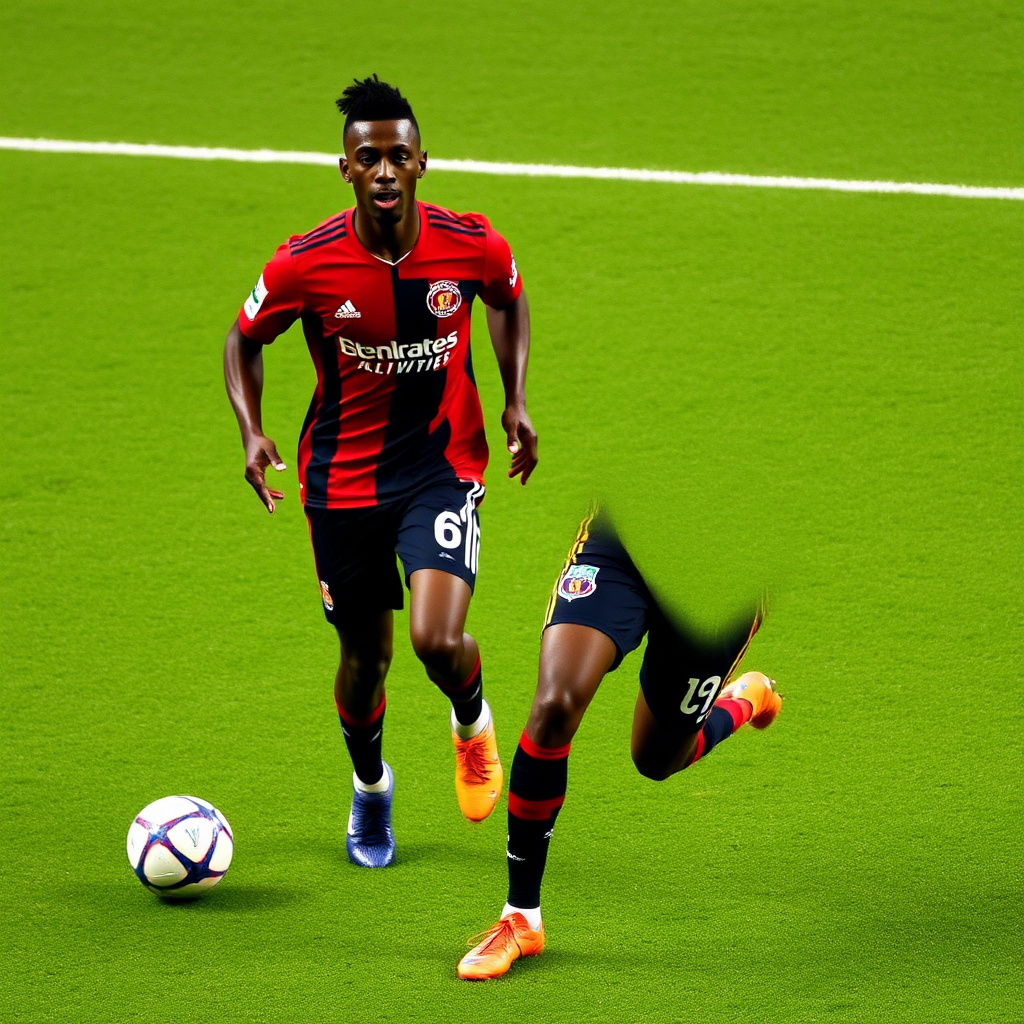
 Hình minh hoạ: vicclub
Context Behind the Squad Availability Concerns
Evaluating why key personnel remain sidelined requires examining broader scheduling pressures and historical recovery patterns. Top-tier competitions frequently compress fixtures across domestic leagues, cup tournaments, and continental championships, leaving minimal recovery intervals between high-intensity outings. Muscular tissue adaptation operates on biological timelines that do not compress to accommodate calendar demands, creating inevitable friction between ambition and physiology. Clubs navigate this tension by implementing periodization models that cycle intensity, volume, and regeneration phases throughout the season.
[Historical Reference: Seasonal Load Analysis] Previous campaign data indicates that prolonged congestion correlates with increased soft-tissue incidents, particularly in posterior chain musculature and lower limb joints. Medical directors monitor cumulative match minutes, training exposure, and travel logistics to project injury probability curves. When projections approach critical zones, preemptive stand-downs activate, preserving core assets for decisive matches. Tonight’s situation mirrors that strategic calculus, with management weighing immediate points against long-term availability. Fans and journalists often misinterpret precautionary measures as pessimism, whereas internal reviews treat them as standard risk mitigation.
Digital aggregation platforms now streamline how supporters access fragmented updates, pulling together press conference transcripts, training ground observations, and official bulletins into centralized feeds. Services like vicclub compile these distributed signals into coherent trackers, allowing users to monitor status progression without sifting through conflicting social media posts. This consolidation reduces noise and highlights verifiable developments, though subscribers must always cross-reference against official club channels before drawing conclusions. The underlying infrastructure relies on timestamped logging, source attribution, and version-controlled updates to maintain accuracy as conditions evolve.

Breakdown of Player Fitness Reports and Tactical Implications
Translating medical statuses into on-pitch adjustments requires understanding role interdependencies and system dependencies. When primary creators or ball-winners become unavailable, tactical architecture shifts toward possession retention, structured buildup, and transitional efficiency. Coaches typically deploy compact midfield triangles, increase full-back inversion frequency, and adjust pressing triggers to compensate for missing movement patterns. These modifications are not reactive improvisations but rehearsed contingency frameworks designed to maintain baseline competitiveness despite personnel changes.
| Status Category | Medical Classification | Matchday Probability | Training Restriction Level |
|---|---|---|---|
| Confirmed Absent | Acute strain / Inflammation | Below 10% | Full exclusion |
| Doubtful | Monitoring / Precautionary | 30–50% | Modified contact |
| Expected Return | Rehabilitation progress | 60–80% | Restricted integration |
| Clear for Selection | Fully recovered / Cleared | Above 90% | Unrestricted |
Tactical flexibility becomes the defining metric when primary options disappear. Bench units absorb additional transitional responsibilities, requiring sharper communication and faster decision-making under pressure. Set-piece routines undergo minor restructuring to account for altered delivery angles and marking assignments. Defensive shape adjusts to cover spaces created by absent pressing triggers, often resulting in deeper mid-block positioning. These adjustments compound over ninety minutes, influencing fatigue distribution and substitution timing. Management teams prepare multiple game-state scripts precisely to mitigate the impact of sudden personnel shortages.
[Analysis Window: 17:00 GMT] Video review departments have isolated movement patterns from previous encounters, identifying alternative passing lanes and overlapping runs that replicate missing player functions. Rehearsal sessions focus on spatial awareness rather than technical repetition, ensuring replacement personnel understand positional responsibilities without overcomplicating instructions. This methodological approach minimizes disruption while preserving tactical identity. Statistical projections indicate marginal shifts in expected goals conceded and possession retention rates, reflecting manageable variance rather than systemic collapse.
Manager Statements and Media Roundtable Highlights
Press conferences today emphasized continuity over crisis framing, with leadership reinforcing institutional depth and preparation standards. Spokesperson remarks highlighted completed rehabilitation milestones, upcoming clearance assessments, and confidence in reserve tier readiness. The messaging deliberately avoids speculation, focusing instead on process adherence and environmental consistency. Journalists probing for named exclusions received standardized responses referencing medical confidentiality protocols and competition compliance requirements, underscoring the boundary between public information and internal clinical data.
[Q&A Summary: 16:50 GMT] Reporters questioned lineup construction strategies, asking whether system modifications would target specific opponent vulnerabilities or prioritize structural stability. Answers centered on adaptive planning, noting that preparations remain fluid until final squad confirmation. Leadership stressed that rotational decisions factor in rest allocation, travel recovery, and upcoming fixture density, rather than reacting solely to immediate opposition quality. This holistic perspective separates short-term results from long-term squad preservation, acknowledging that sustainable success requires disciplined resource management.
Media outlets continue generating independent forecasts using algorithmic models trained on historical lineup changes, injury recurrence rates, and managerial tendencies. While these projections offer useful benchmarks, they lack access to real-time physiological readings or coaching staff deliberations. Verification remains essential, as model outputs occasionally lag behind live medical updates or misinterpret precautionary measures as permanent exclusions. Analysts recommend cross-checking computational estimates against official bulletins, training ground imagery, and accredited beat reporters before integrating projections into strategic discussions. Transparent sourcing strengthens credibility and prevents misinformation amplification.

Post-Match Analysis Framework and Next Fixture Outlook
Evaluating tonight’s performance will require isolating tactical execution from personnel limitations. Match reviews typically separate system effectiveness from individual contribution, recognizing that structural cohesion often compensates for missing technical specialists. Performance metrics will track pass completion under pressure, defensive line synchronization, pressing intensity decay, and transitional shot creation. These indicators reveal whether adapted formations maintained competitive balance or exposed structural fragility under sustained opposition resistance.
[Forecast Window: 19:30 GMT] Recovery protocols immediately activate following whistle, prioritizing hydration replenishment, glycogen restoration, and neuromuscular downregulation. Medical staff schedule follow-up screenings within forty-eight hours, assessing whether tournament congestion accelerates fatigue accumulation or if planned recovery windows functioned as intended. Next fixture preparation hinges on these assessments, determining whether rotation continues or returns to primary selection parameters. Managers typically adjust training load distribution based on observed exertion levels, ensuring squad freshness aligns with competition priorities.
Broadcast analysts will dissect substitution timing, questioning whether bench interventions preserved lead advantages or reacted defensively to momentum shifts. Statistical dashboards will highlight heat map alterations, showing whether replacement personnel maintained spatial occupation or created exploitable voids. Coaching staff review sessions focus on decision-speed improvements, reducing hesitation during high-pressure moments. Long-term trajectory depends on whether tactical adaptations produced measurable performance gains or merely stabilized declining output. Continuous evaluation ensures iterative refinement rather than static repetition.
Frequently Asked Questions
How are injury statuses verified before matchday?
Verification follows a tiered protocol combining medical screenings, telemetry data review, and supervised training integration. Final clearance requires explicit documentation from designated physicians, which competition authorities cross-reference against official squad submissions. Unverified social media claims or unofficial leak reports lack authentication and should not influence preparedness assessments.
Why do precautionary stand-downs occur instead of forcing participation?
Elite organizations prioritize long-term availability over short-term exposure, recognizing that compromised tissue accelerates re-injury risk. Stand-downs activate when load metrics exceed safety thresholds, preserving asset viability for decisive fixtures. Forcing participation often yields marginal competitive gains while increasing probable downtime, undermining seasonal sustainability.
Can substitute personnel replicate the tactical functions of absent starters?
Replacement effectiveness depends on rehearsal quality, positional understanding, and system compatibility. Contingency frameworks provide structured alternatives, though execution varies based on individual experience and match tempo. Analytical models track performance deltas to identify optimization opportunities during future preparation cycles.
When should fans consider official lineup releases as definitive?
Competition regulations mandate submission windows typically closing one hour before kickoff. Any changes after that threshold require documented medical justification and administrative approval. Pre-submission forecasts remain probabilistic, reflecting incomplete data rather than confirmed outcomes.
The coming hours will determine whether adapted structures sustain competitive output or expose vulnerability under sustained pressure. If residual fitness markers remain below activation thresholds, continued rotation will likely persist; however, if clearance assessments yield positive physiological indicators, primary selections may resume ahead of the subsequent fixture window. Decision pathways remain explicitly tied to verified medical data, ensuring that tactical continuity and player welfare operate in alignment rather than conflict.